Choose a small reason to go
A museum can feel daunting when you treat the whole building as a checklist. Before you leave, choose one modest reason for visiting: a particular exhibition, an interest in ceramics, a wish to spend time somewhere quiet, or simply the chance to see something unfamiliar. That reason gives the outing a shape without requiring you to plan every minute.
Look at the museum’s own visitor information for opening hours, admission, booking requirements and anything that might affect your comfort. If you have access needs, check what the museum says about entrances, lifts, seating or other facilities rather than assuming every gallery is arranged alike. You can also decide in advance what would make the trip worthwhile. Seeing one room carefully is a perfectly good result.
Make the plan easy to change
A useful plan might be no more than this: start with the display you came to see, allow time for a break, then visit one other area if you feel like it. Keep a map handy if one is available, but use it to reduce wandering rather than to plot an efficient route past every object. An appealing doorway or a comfortable bench can be reason enough to change direction.
Think about your energy as well as your schedule. A long journey, a busy entrance or time spent standing may shape the visit more than the size of the collection. Comfortable shoes and a bag you can carry easily can help; check any bag or food rules before arriving. If you are visiting with someone else, agree that it is fine to spend different amounts of time in a room and meet up again.
Look closely, then move on
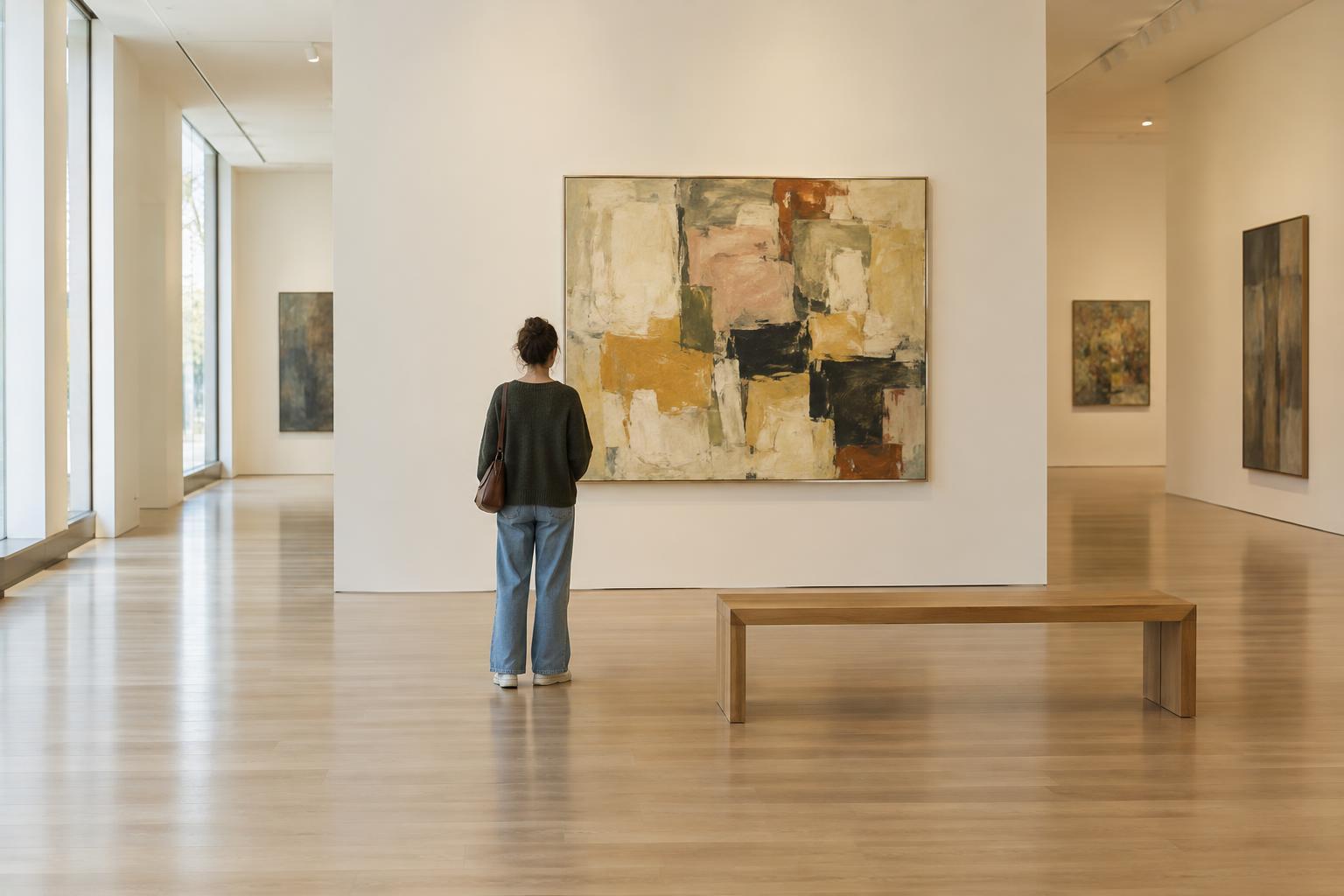
You do not need to read every label to have an attentive visit. Try choosing a few objects that genuinely catch your eye. Notice their scale, materials, colors or placement before reading about them. Then use the label to answer a question you already have, or to discover a detail you might otherwise miss. This approach leaves room for both curiosity and simple visual pleasure.
It is also fine to pass through a gallery that does not hold your attention. Taking your time does not mean moving slowly everywhere; it means choosing where to spend it. If an exhibition has many rooms, you might pause halfway and ask whether you want more of the same, something different, or a rest. There is no reward for finishing a display after you have stopped enjoying it.
Treat breaks as part of the visit
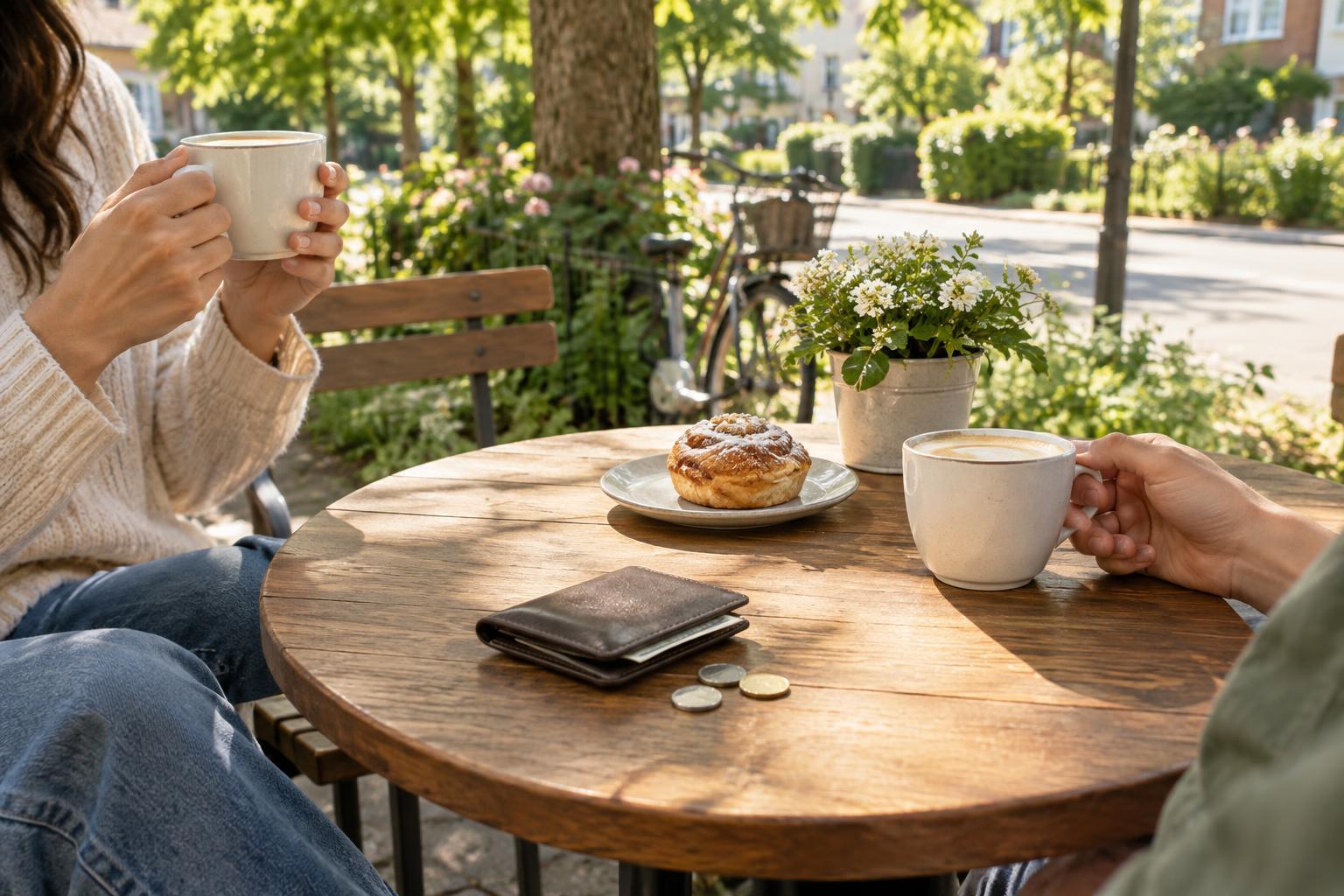
Museums ask you to absorb a great deal while often keeping you on your feet. A seat, a drink where permitted, or a few minutes outside can make the next gallery feel fresh again. Look for resting places as you go instead of waiting until you are tired. If the museum has a café, you can use it as a pause rather than another stop to fit into a packed itinerary.
A break is also a chance to notice what has stayed with you. Was it the shape of an everyday object, an unexpected color combination, or a room that felt especially calm? You need not turn the answer into a lesson. Letting one impression settle may be more satisfying than immediately trying to collect more.
Leave while the outing still feels good
Give yourself permission to leave without seeing everything. Before heading out, you could return to a favorite piece, browse a room you passed earlier, or sit for a final few minutes. Equally, you can go straight home. The collection will not become more meaningful simply because you stayed until you were exhausted.
Afterward, carry one small idea into the rest of the weekend. You might sketch a pattern you liked, look up a term from a label later, or notice how an object’s color would work in your own space. Buying something from the shop is optional; remembering what interested you costs nothing. A good museum visit is not measured by how much ground you covered, but by whether you had enough space to pay attention.