Why the same paint never looks quite the same
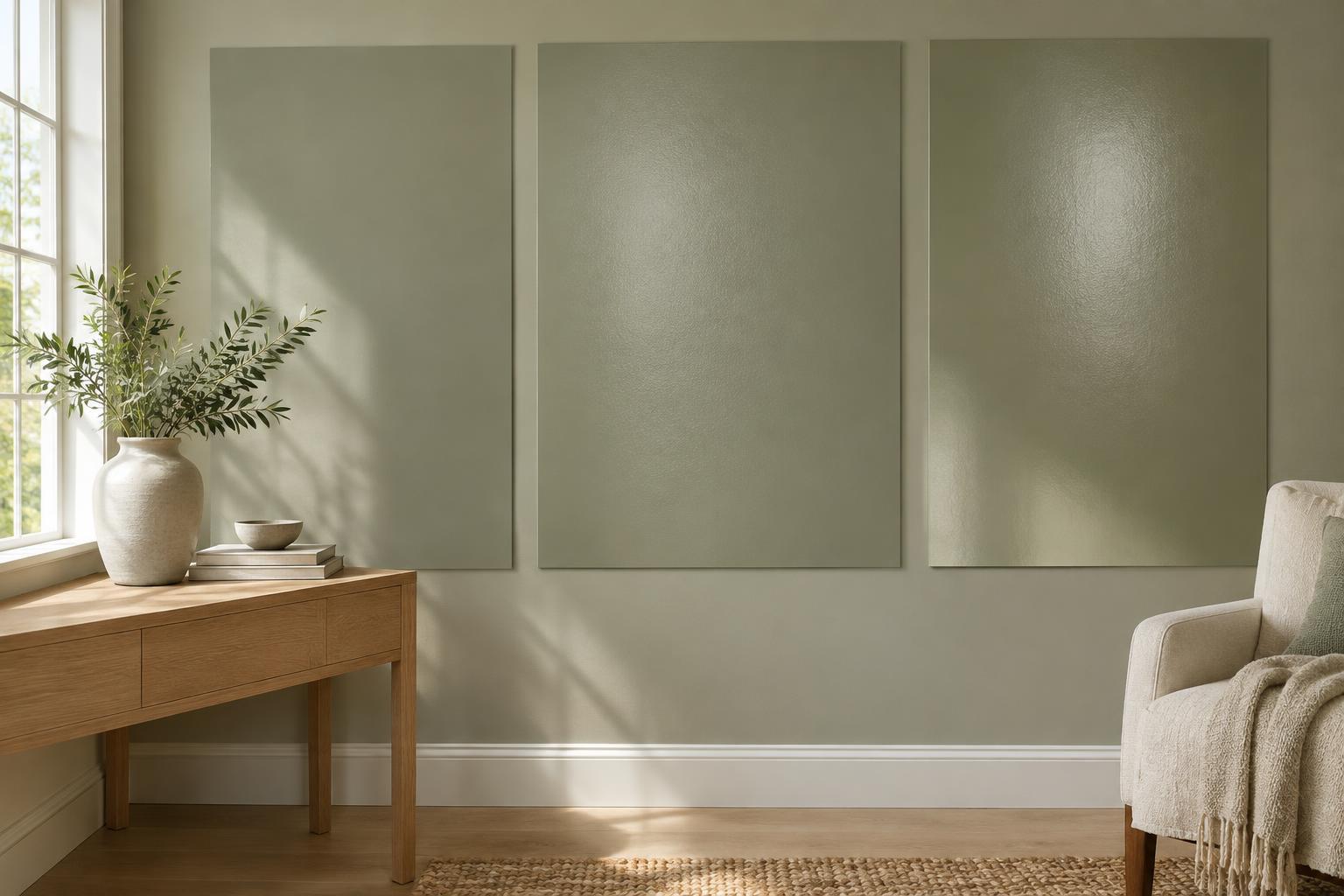
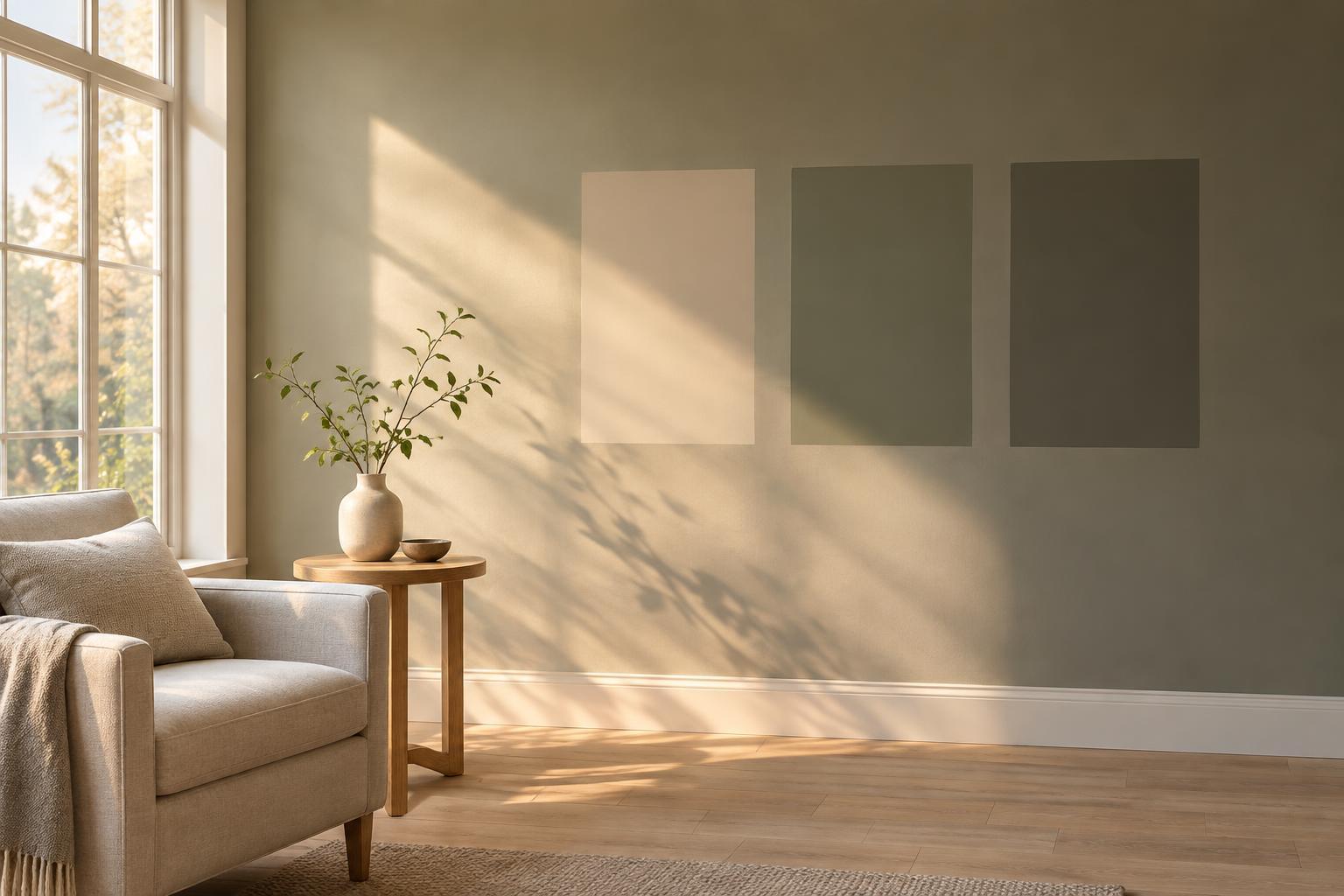
Paint color is not something you see on its own. You see light reflected from a painted surface, so a change in the light changes the color’s appearance. Direct sun can make a wall look brighter and more vivid. Diffuse light from a cloudy sky often softens contrast. As daylight fades, subtle differences between similar shades may become harder to see.
This is why a color that seems perfect on a small card in a shop can feel different across an entire wall. The card may have been viewed under artificial lighting, while your room has windows, shadows and neighboring surfaces that influence it. Rather than trying to find a color that looks identical at every hour, aim for one whose changes you enjoy.
Notice the path of light through the room
Start by observing when each wall gets direct sun, when it sits in shade and when the whole room relies on softer daylight. A wall beside a window may look different from the wall facing it, even though both are painted the same color. Window size, an overhang, trees and nearby buildings can matter as much as the direction the windows face.
Room orientation can still offer a useful starting point. In many Northern Hemisphere homes, north-facing rooms receive relatively little direct sun, while south-facing rooms may get longer periods of strong light. East-facing spaces tend to be brightest earlier in the day, and west-facing spaces later. These are patterns, not guarantees; seasons and the view outside can change the effect. In the Southern Hemisphere, north and south exposures generally trade roles.
Look beyond whether a color is light or dark
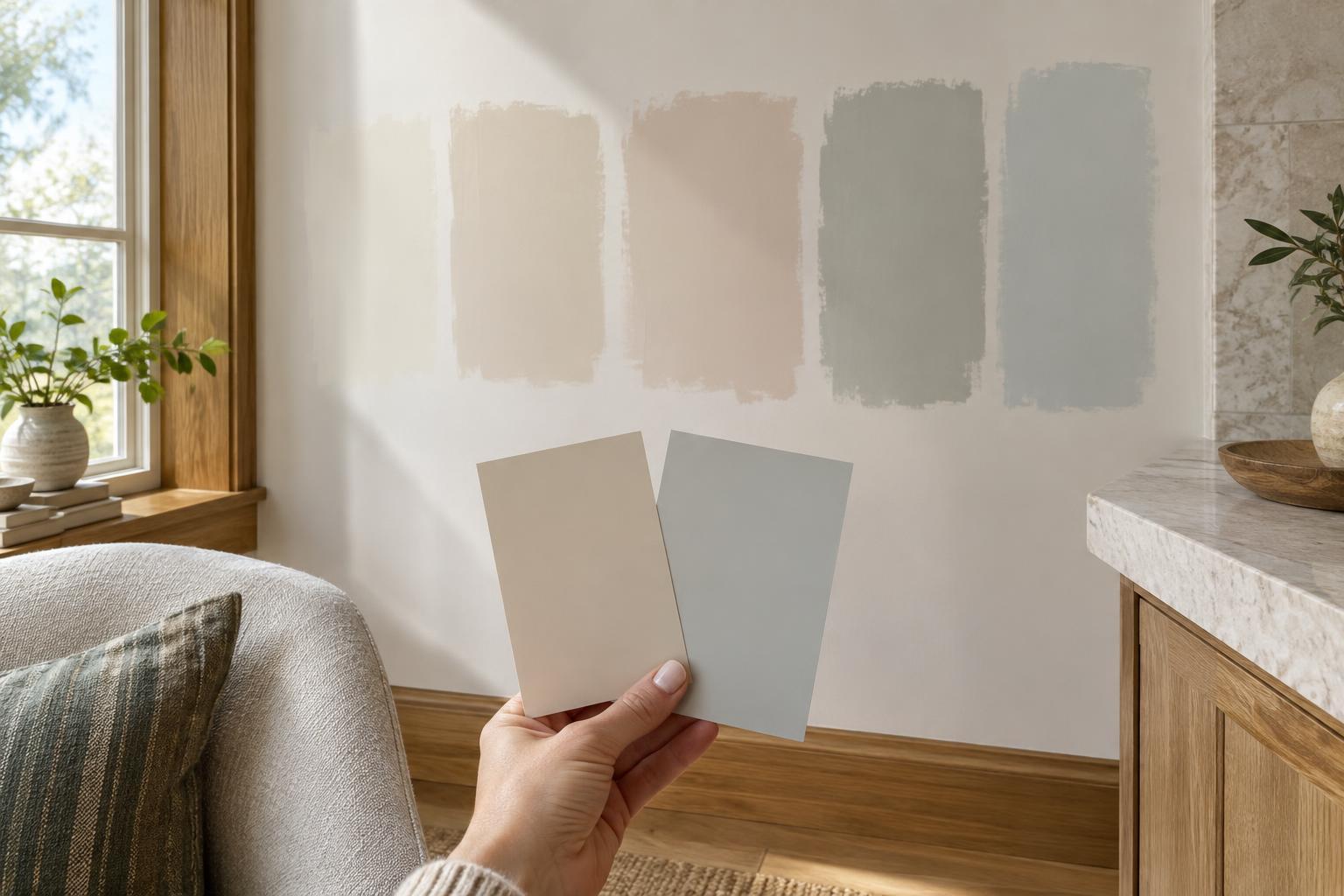
The undertone of a paint color often becomes more noticeable as the light shifts. A white might read creamy in warm sun but cooler in shade. A gray may reveal a blue, green or violet cast next to a particular floor or sofa. Beige and muted pink can behave similarly: the color name tells you less than seeing the sample in your room.
Surrounding finishes also affect your impression. A warm wood floor can make a cool wall seem cooler by comparison, while a large green garden view may lend nearby pale walls a greenish appearance. Sheen changes the experience, too. A glossier finish reflects more light and can highlight bright patches or surface imperfections; a flatter finish tends to look more even. When comparing colors, use samples in the finish you are considering if possible.
Test samples where you will live with them
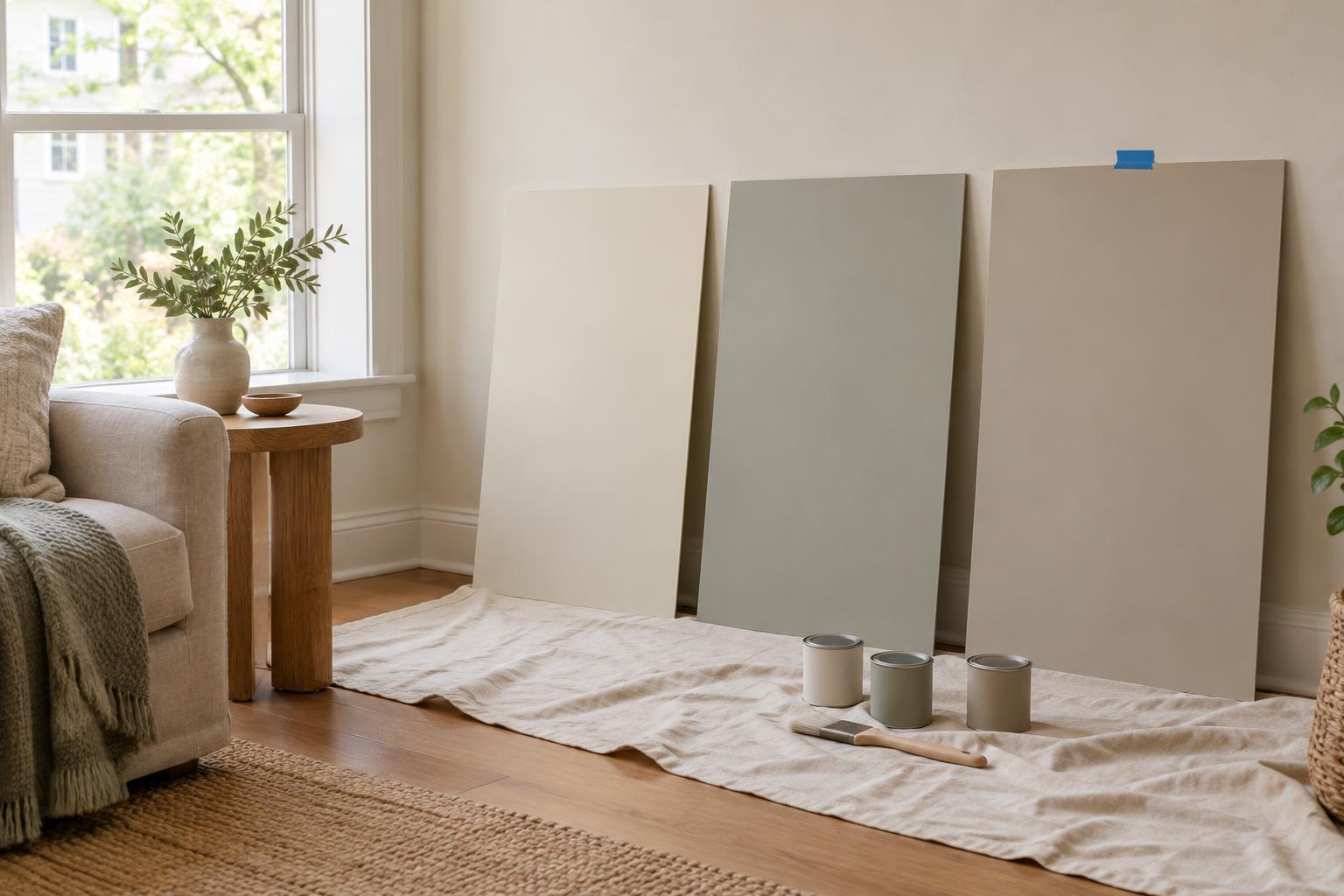
Choose a short list rather than bringing home dozens of nearly identical options. Test each candidate on a generous movable sample board, or paint a substantial patch according to the paint maker’s instructions. Let the coating dry fully before judging it. Place samples near the window, on a wall that stays shaded and beside important fixed elements such as flooring, tile or cabinetry.
Check the samples in the morning, around midday and late in the day. Step back to see how each color feels across the room, then look closely where it meets the trim. If you usually occupy the space after sunset, check it under the lamps you actually use as well. Keep the samples in the room for more than one day if you can; changing weather may show you a version you would otherwise miss.
Choose for the hours that matter most
A breakfast nook does not need to win its strongest review at dusk, and a living room used mainly in the evening need not be chosen solely in bright afternoon sun. Think about the room’s main activities and decide which lighting conditions deserve the most weight. If a color looks lovely at noon but uncomfortable during the hours you spend there, keep looking.
You can also use the room’s changing light as a design feature. A deeper color may feel calm in a shaded space, while a pale color can show gentle shifts throughout the day. There is no rule that a dim room must be painted white or that a sunny room must avoid saturated color. The most reliable choice is the one you have seen on your own walls, alongside your own furnishings, at the times you will actually enjoy it.