Start with where you want the bag to sit
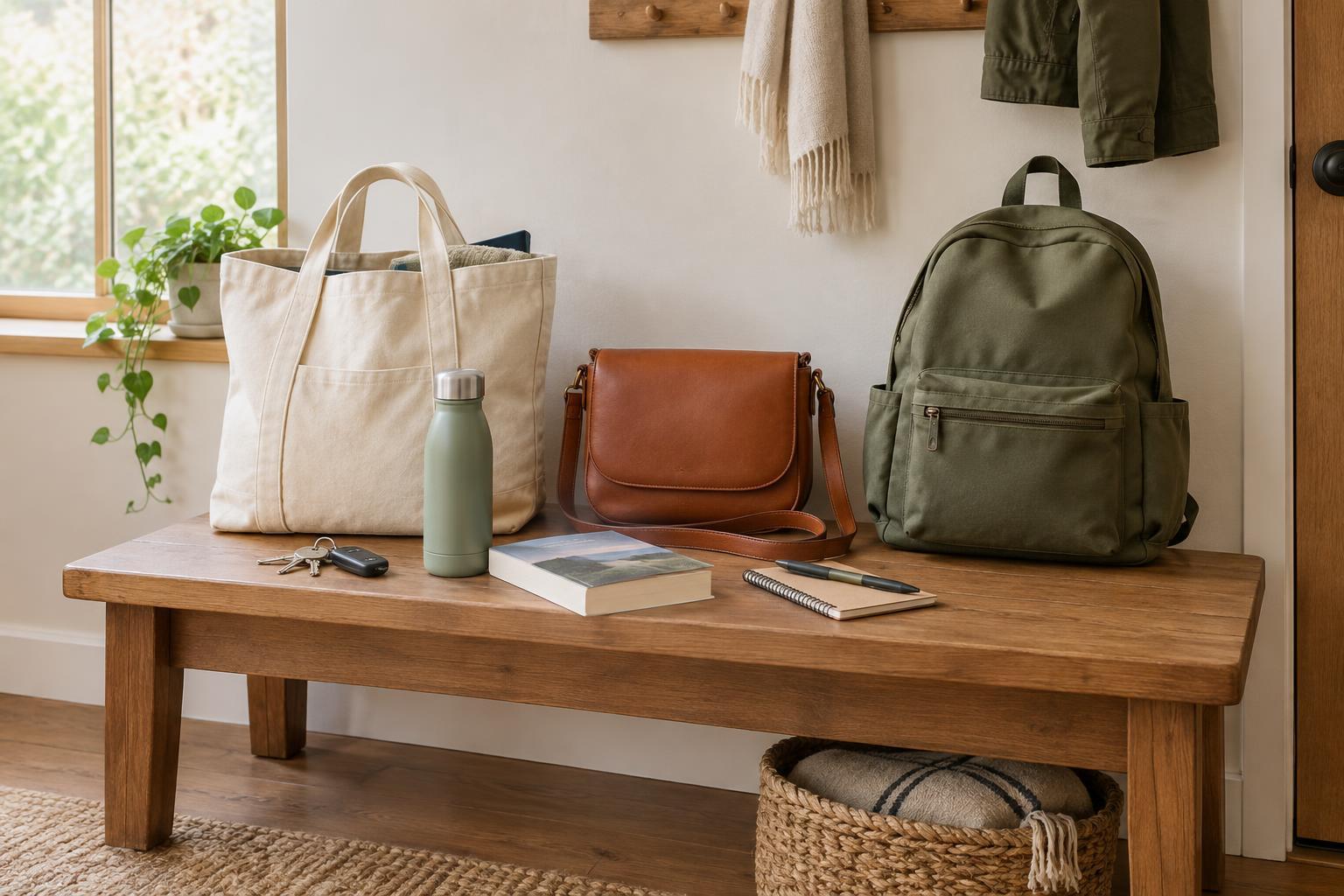
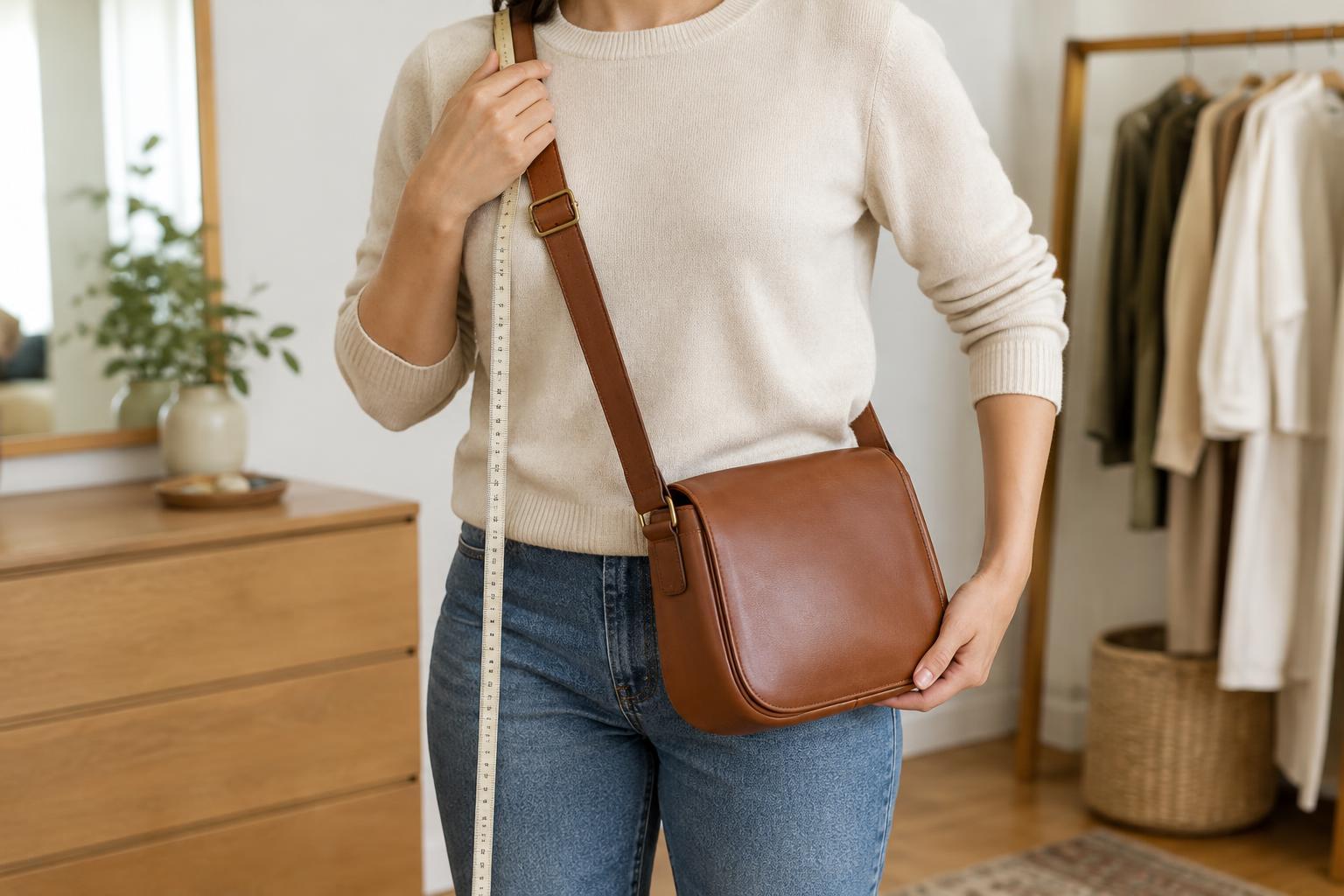
Before comparing strap measurements, decide how you want to carry the bag. A shoulder bag might feel best tucked near your ribs, while a crossbody may be easier to reach when it rests at your hip. Neither position is right for everyone. Think about whether you want to open the bag while wearing it, keep your hands free, or slide it behind you when walking.
Then consider the clothes you usually wear. A strap that fits neatly over a T-shirt may feel short over a thick coat. If you switch between bare shoulders, sweaters, and outerwear, look for enough adjustment to accommodate those layers. The bag should settle where you intend without pulling up under your arm or swinging against your leg.
Understand the measurements in a listing
Strap length and strap drop describe different things. Strap length usually refers to the length of the strap itself, though sellers may measure it differently. Strap drop is generally the vertical distance from the top of the strap to the top of the bag when the bag is hanging. For an adjustable strap, check both the shortest and longest measurements, and confirm whether a listed length includes clips or other hardware.
To make those numbers useful, measure a bag you already own. Adjust it to a position you like, lay it flat, and note its strap length or drop. Use that as a reference when shopping online. Bag shape matters too: a tall bag will hang lower than a shallow one with the same strap drop. If the listing gives only one measurement or an unclear diagram, ask the seller how it was taken before relying on it.
Test the fit with a realistic load
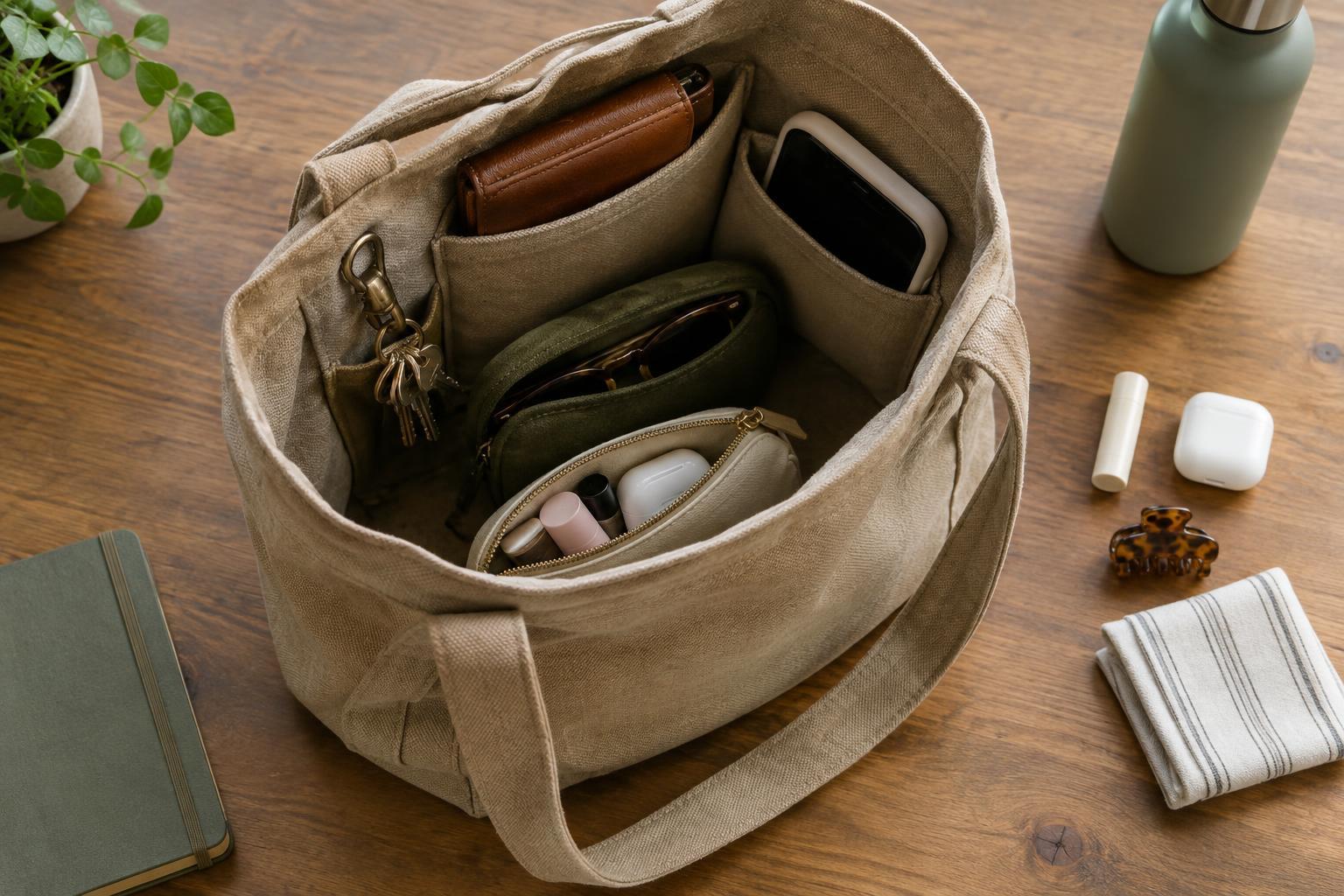
If you can try the bag in person, put a few everyday items inside rather than judging it empty. A phone, keys, wallet, and anything else you routinely carry can change how the bag hangs. Wear it on your usual shoulder or across your body, walk around, sit down, and reach inside. Notice whether it stays put, bumps your arm, or needs frequent readjustment.
At home, you can approximate the fit of an online bag with an existing adjustable strap or a soft measuring tape. Set it to the advertised length and check where it crosses your shoulder and torso. This will not reproduce the bag’s weight or shape, but it can reveal an obviously too-short or too-long strap. Check the return terms if you still need to assess comfort after delivery.
Look beyond length to pressure and movement
A comfortable length will not help much if the strap digs in. Narrow straps may feel fine on a light bag but concentrate pressure when the bag is full. A wider strap can spread the load, although its edges should still feel smooth against clothing and skin. If the strap is padded, check whether the padded section will actually rest on your shoulder at your preferred setting.
Also look at how the strap attaches to the bag. Clips, rings, and seams should feel secure and should let the strap lie flat rather than twist. If you can handle the bag, lift it by the strap and move it from shoulder to crossbody position. A stiff strap may take time to soften, but it should not need constant untangling to carry comfortably.
Make the final choice around daily use
Compare the bag with your normal routine, not just with an outfit in a mirror. If you commute or walk for long stretches, prioritize a strap that stays in place under a realistic load. If you often take the bag on and off, make sure the adjustment hardware is easy to use. A removable strap can offer flexibility, but only if its available lengths suit the ways you plan to wear it.
Before buying, check three points: the bag lands where you want it, the strap feels comfortable with your usual contents, and its adjustment range works with your typical clothing layers. Those simple checks make it easier to choose a bag you will enjoy carrying, not merely one you enjoy looking at.