Decide what the walk is for
Before choosing a destination, ask what you want from the walk. You might want fresh air between errands, an easy conversation with a friend, a change of scenery or a quiet stretch without a schedule. Each calls for a different route. A familiar loop can be more relaxing than a scenic trail if your main aim is to unwind without watching a map.
Notice your energy as well as your available time. On a lively morning, you may enjoy a route with a hill or an unfamiliar turn. After a busy week, a flat path with places to sit may feel better. Neither choice is a lesser walk. The right route leaves room to enjoy where you are, rather than making you feel obliged to finish a distance you picked earlier.
Plan for the whole outing, not just the distance
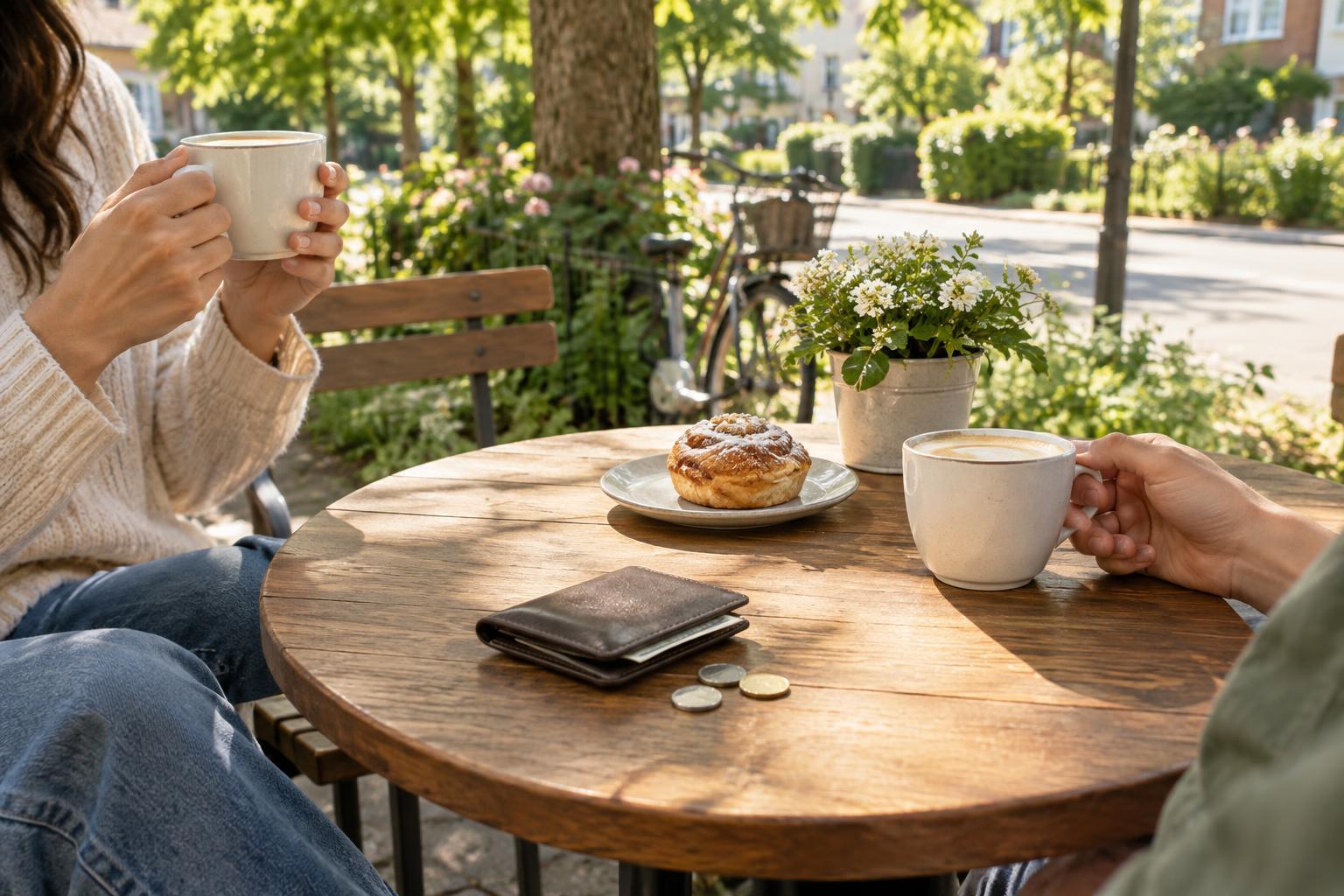
A walk takes more time than the minutes spent moving. Add the journey to and from the starting point, crossings, stops and any time you want to spend looking around. If you have an hour free, a route that appears to take an hour on foot leaves no margin for a coffee, a photograph or a wrong turn. Choose a shorter option when you want an unhurried outing.
Loops are useful when you want a clear beginning and end. Out-and-back routes make it easy to turn around when half your time has passed. A route ending somewhere other than it starts can be enjoyable, but check how you will get home before setting off. If you are planning with someone else, agree on a comfortable turnaround time rather than assuming you will both want to cover the same distance.
Look beyond the route on the map
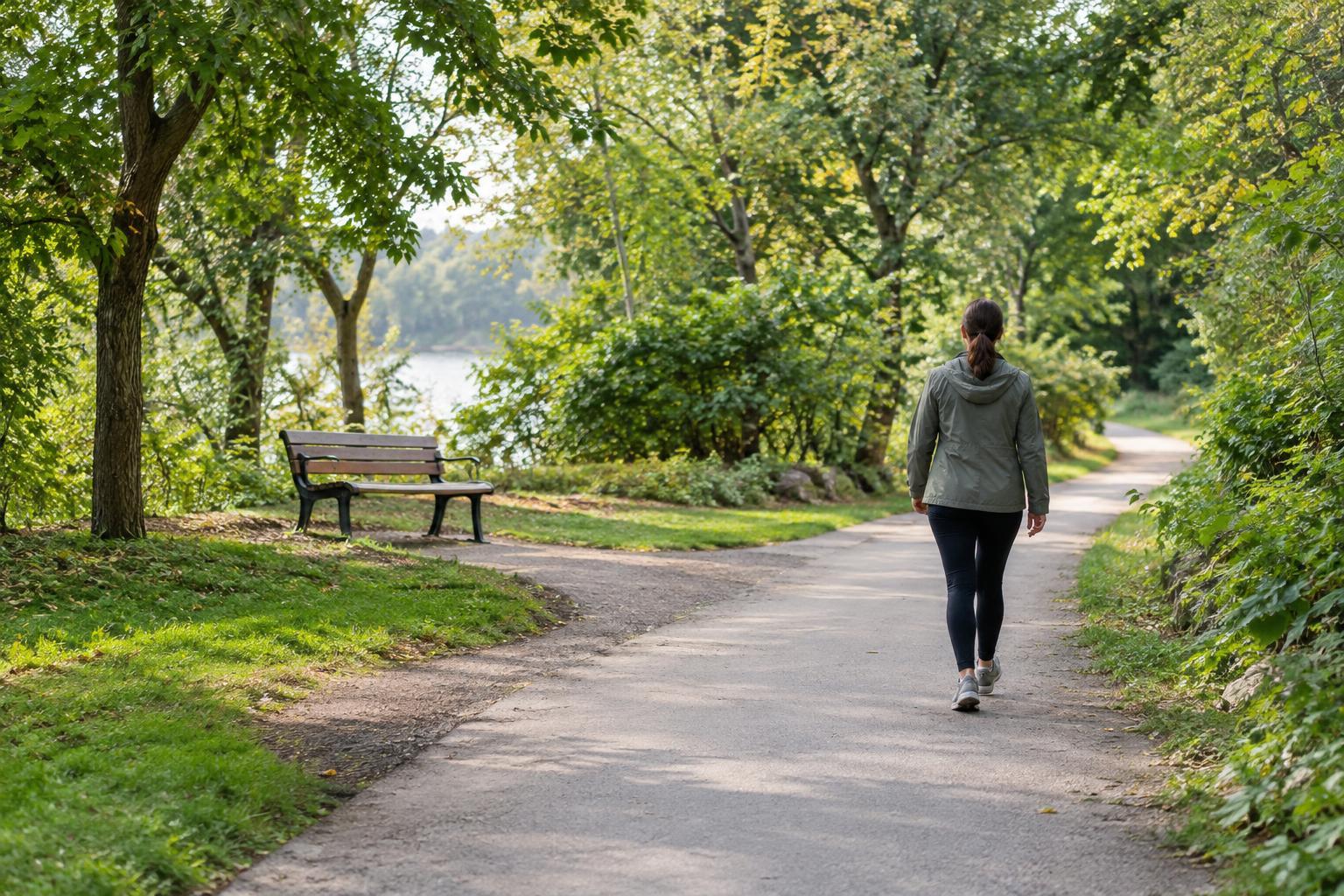
Two routes of similar length can feel quite different. Hills, uneven ground, busy crossings and stretches without shade may make a walk more demanding. A level path with benches or a place to pause gives you more flexibility. Think about the conditions you are likely to meet and choose footwear and clothing that suit them; if the ground may be muddy, a paved alternative can keep the outing simple.
Consider how pleasant the route will be at your preferred pace. A quiet residential street may suit conversation, while a waterside path or park loop may reward a slower, observant walk. If you hope to stop for a snack, choose a route with a convenient stopping point rather than forcing a detour. You do not need every appealing feature in one walk. One good reason to go is enough.
Give yourself an easy way to change plans
A flexible route lets you respond to how you feel once you are outside. Look for a short loop that can be extended, a longer loop with a clear shortcut, or an out-and-back path with several natural places to turn around. You can also pick a destination close to home and decide on arrival whether to wander further.
If you are exploring somewhere unfamiliar, check the return route in advance and keep the details available without relying on memory alone. Let someone know your general plan if that feels appropriate, particularly for a quieter route. Bring water when it suits the length and conditions of the walk. These small preparations help you make a comfortable choice without turning a casual weekend outing into a complicated project.
Choose the version you will actually enjoy
When you have a few possibilities, compare them using three questions: Can I fit this into my time without rushing? Does the terrain suit my energy today? Can I shorten it easily? The route with the most impressive view is not automatically the best answer. A nearby circuit that meets all three tests may give you a better afternoon than a destination that requires a long trip before you begin.
You can keep a small mental menu for future weekends: a brief local loop, a longer walk for days with more energy, and an easy route with a good place to pause. Familiar options remove the need to plan from scratch every time. Once you are out, treat the route as a suggestion rather than a target. If you find a comfortable bench, an interesting side street or a good moment to head home, the walk has already done its job.