Start with a small destination
Exploring close to home is easier when you stop trying to make it a full-day event. Pick one street, a cluster of blocks, or a destination you usually pass without stopping. A park entrance, library, market street, or public square can give your walk a loose direction. The goal is not to see everything; it is to give familiar surroundings more attention than they get on an ordinary errand.
Set a comfortable window of time before you leave. An hour may be plenty if you want a gentle walk and a place to sit. If you are going with someone else, agree on the pace first: are you looking for a long wander, a short stroll, or mostly a change of scenery? Keeping the plan modest makes it easier to enjoy what you find.
Look for details instead of landmarks
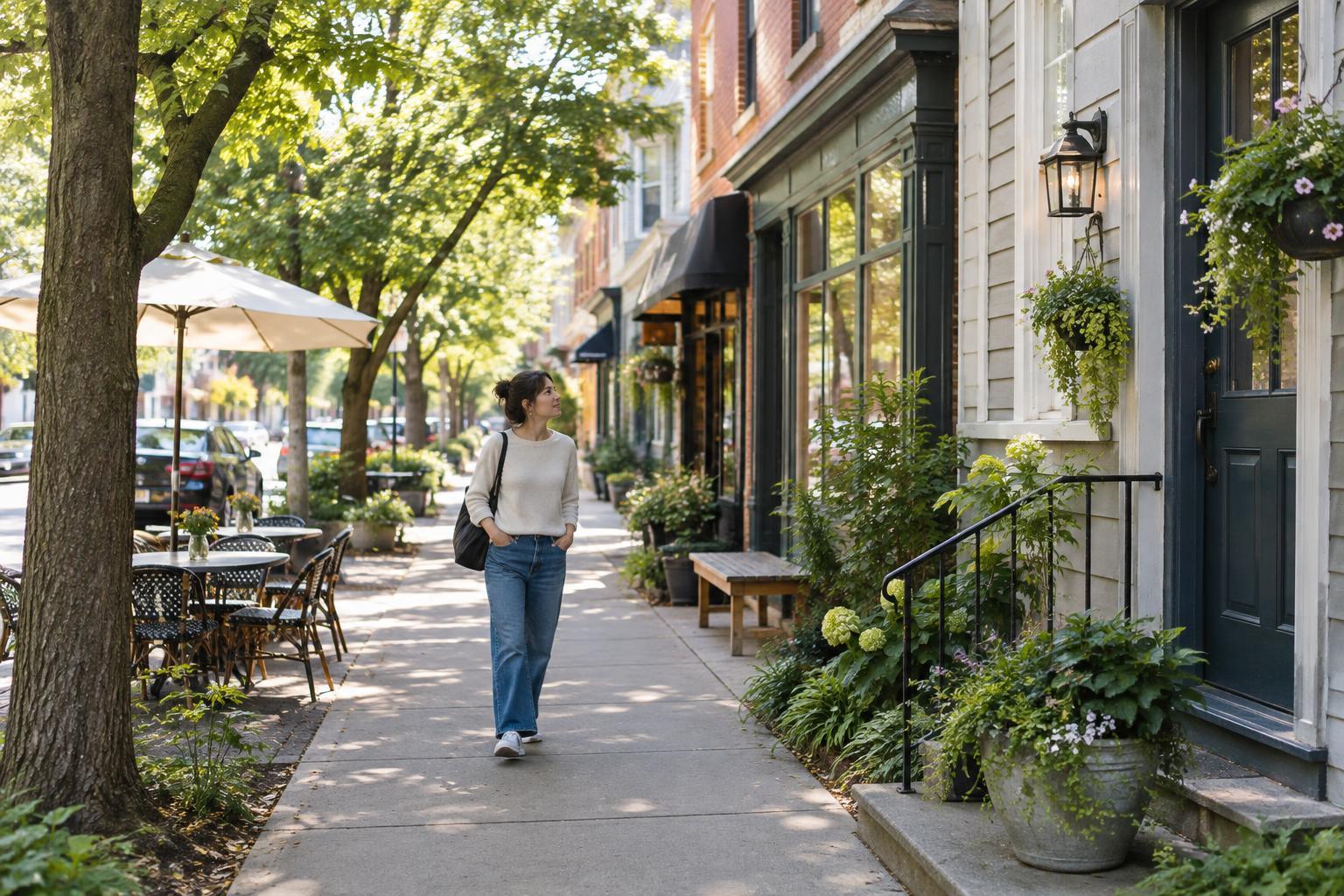
Visitors often notice things residents filter out. Try choosing one kind of detail to follow for part of your route: front doors, window displays, street trees, signs, garden walls, or the colors of neighboring buildings. You may find that a block you know well has a rhythm you have never quite seen.
At each turn, ask a simple question: what would I point out to a friend who had never been here? It might be a useful shortcut, a quiet bench, or a view that opens up between buildings. There is no need to photograph or record every discovery. Pausing long enough to notice it is part of the outing.
Stay aware of the spaces you are moving through. Admire homes from public paths, respect posted access rules, and avoid blocking entrances while you look around. Curiosity works best when it leaves room for the people who live and work there.
Give yourself a reason to stop
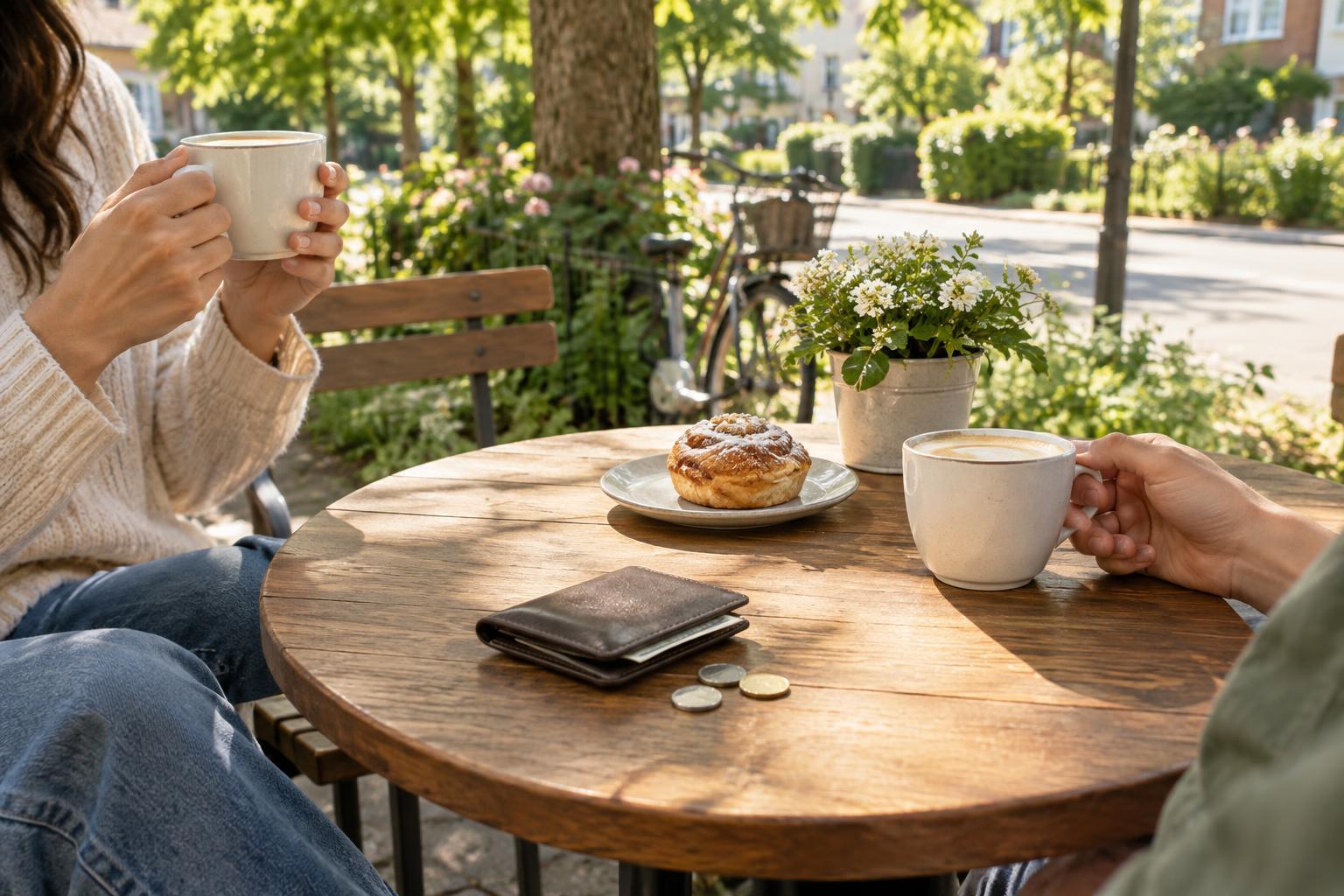
A visitor-style outing feels different from a routine walk when it includes a pause. You could bring a drink and sit in a public garden, browse a bookshop without a shopping list, or take a longer route to a familiar café. Choose a stop that suits your budget rather than treating a purchase as the point of the trip. A bench with a pleasant view can be as good a destination as a table indoors.
If you want to try somewhere new, look for practical signs of comfort: seating that suits you, a menu or selection you can browse easily, and enough time to enjoy the stop without rushing. Opening hours and accessibility can vary, so check those details before setting out if they matter to your plan. It also helps to have a second stopping place in mind in case the first is busy or closed.
Let the route change
A loose plan leaves space for small discoveries. Take the side street you normally skip, walk around the edge of a park instead of straight through it, or approach a familiar destination from a different direction. You can also use a simple rule to make choices: turn toward the shadier street, follow the quieter path, or stop whenever you spot somewhere inviting to sit.
Make comfort the limit, not the itinerary. Wear shoes suited to the distance, carry water if you expect to be out a while, and choose a route you can shorten. If uneven paths, crowds, weather, or energy levels change what feels enjoyable, adapt the outing. Exploring like a visitor should give you permission to linger or head home, not another schedule to keep.
Bring one discovery into your routine
Before you finish, notice one thing worth returning to. It could be a calm route to the shops, a place to read outdoors, or a street that makes an evening walk more appealing. Remembering one useful discovery is more satisfying than trying to turn the whole neighborhood into a checklist.
You can repeat the exercise another weekend with a different starting point or observation prompt. Go early if you usually walk later, or visit a nearby area you know only from the bus window. The streets may not change much between visits, but what you pay attention to can. That is enough to make a familiar place feel a little more open.