Start with what you actually carry
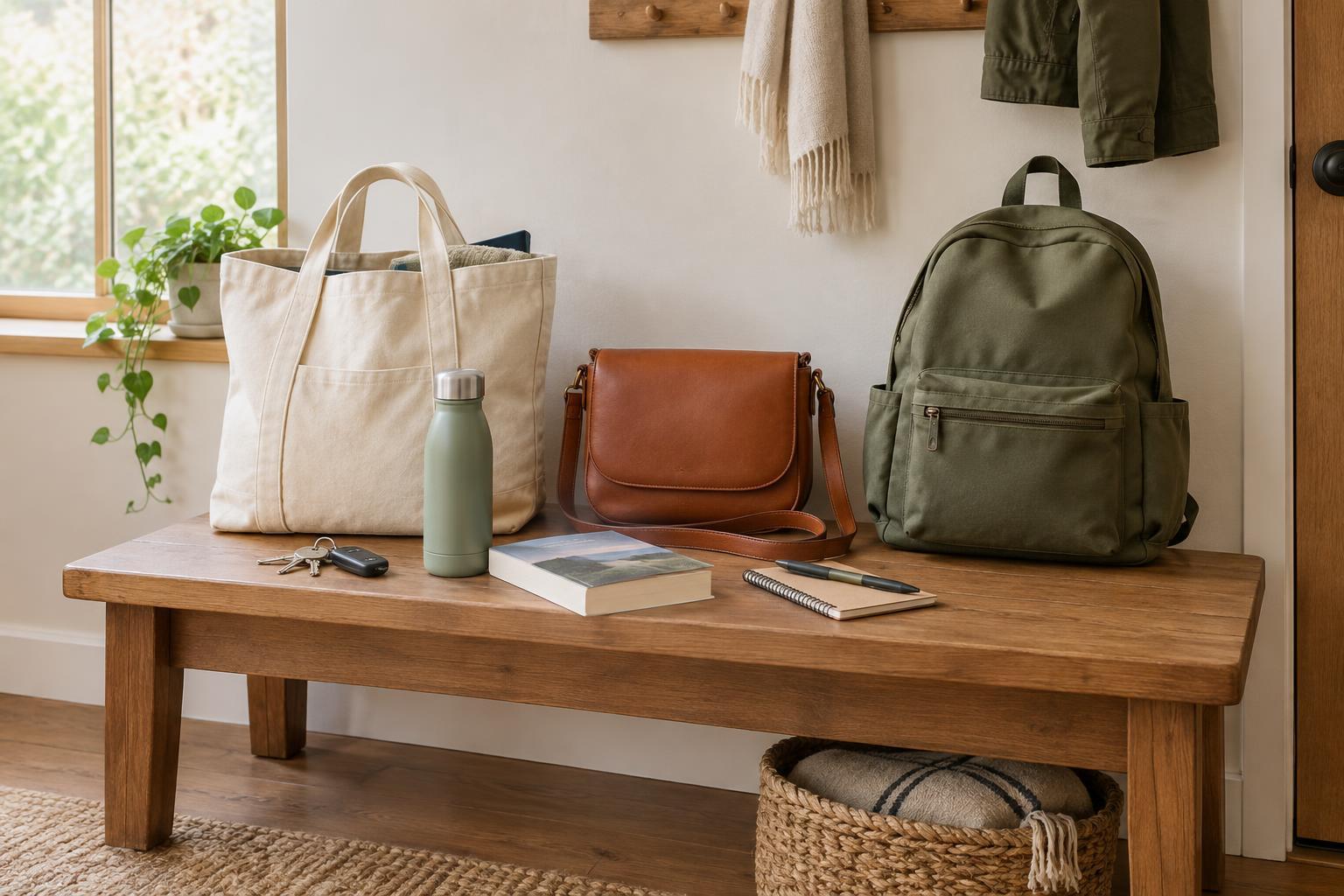
A roomy bag can still be frustrating if everything settles at the bottom. Before buying an organizer or adding more pouches, empty your bag onto a clear surface. Separate what you use daily from what you carry only occasionally. Set aside receipts, wrappers, spare cosmetics and duplicates that have accumulated without a purpose.
Think through a normal day: which things do you reach for while standing at a door, paying at a counter or sitting on a train? Keys, a wallet, a phone and earbuds may need quicker access than a spare pen or a compact umbrella. This distinction matters more than making the inside of the bag look perfectly tidy. The aim is to find things without unloading everything else.
Give the quickest-access spots a clear job
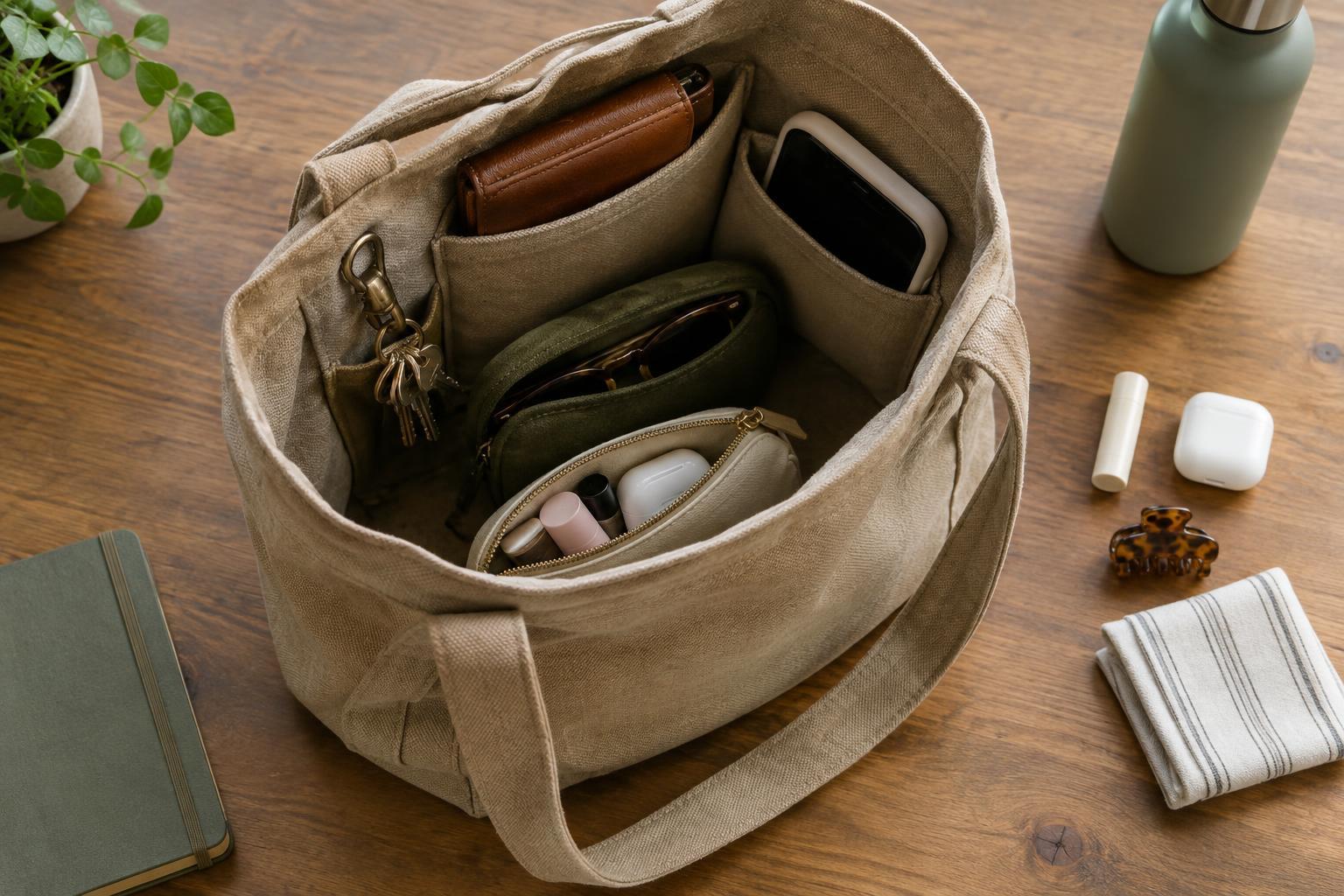
Choose one dependable home for each item you reach for often. A secure outer pocket might suit transit cards or keys, while an inner pocket may be better for a wallet. Keep the choice consistent: if your keys live in the same pocket every time, your hand learns where to go. Avoid assigning several unrelated items to one narrow pocket, where they can catch on each other.
Use the bag’s shape to your advantage. Tall slots can hold a pen or slim hand cream upright; a zipped compartment can contain small items that would otherwise spill. Keep heavy objects low and close to the center of the bag where possible. If a pocket is hard to reach while the bag is on your shoulder, reserve it for something you use less often.
Group loose items without creating a pouch puzzle
Pouches are useful when they gather items you look for together. A small personal-care pouch might hold lip balm, tissues and a hair tie; another could hold charging accessories. Keep the groups broad and memorable. If every object has its own case, finding the right case becomes the new problem.
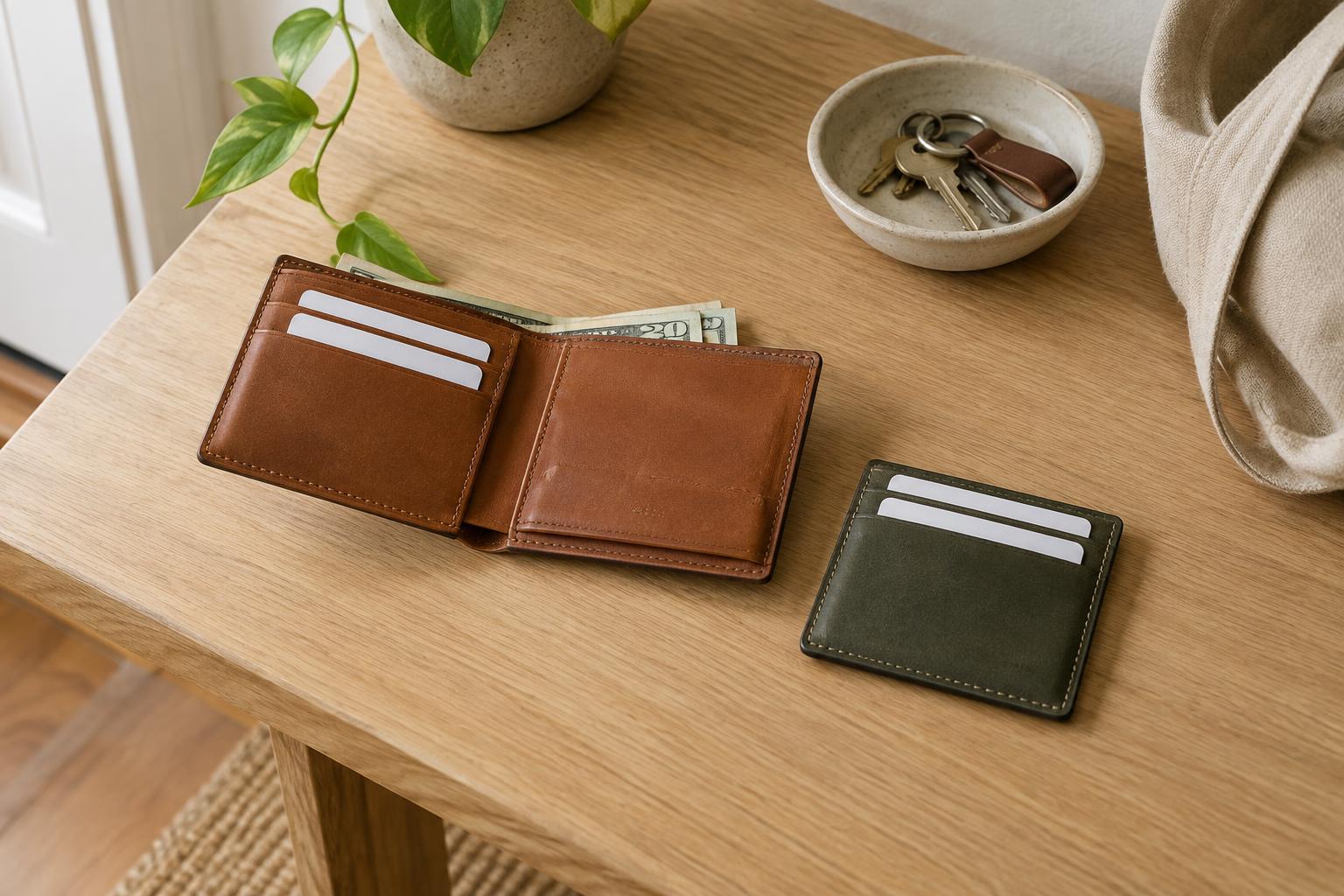
Choose pouches that feel distinct by touch or appearance, especially if you often reach into your bag without looking. A flat pouch is usually easier to fit beside a wallet than a bulky one, and a wide opening makes contents easier to see. For a very small bag, a single pouch or a wallet with a few well-chosen compartments may be enough. Match the system to the space you have rather than trying to fit a large organizer into it.
Make the system work for the bag you use
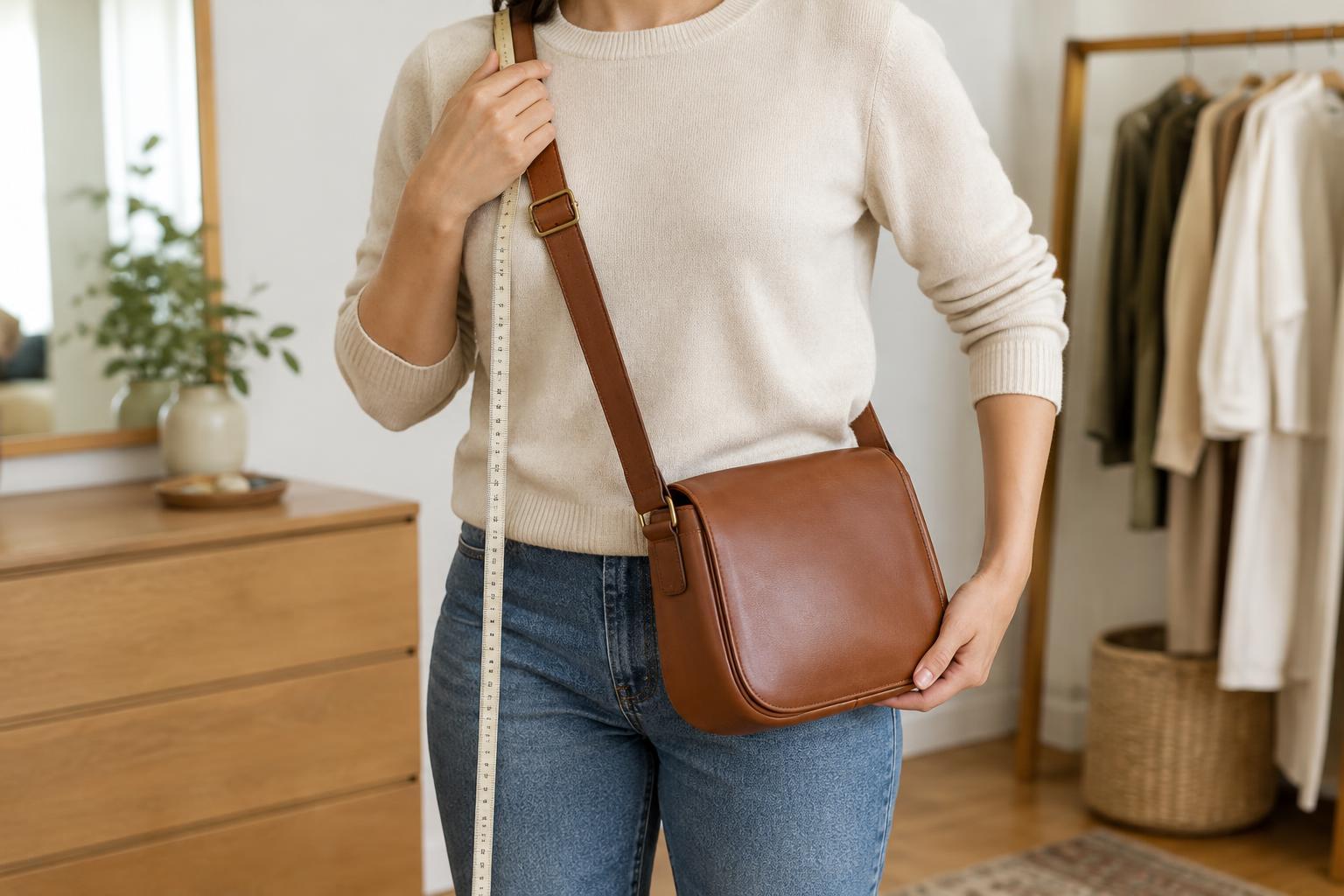
An organizer insert can help a soft tote hold its shape, but it is not automatically an improvement. Check that an insert leaves room for larger things you carry and does not make the bag awkwardly heavy. If you are choosing a new bag, look beyond the number of pockets: consider whether you can see inside, reach the compartments comfortably and close the bag with your usual belongings in place.
Pay attention to small construction details. A light-colored lining can make dark objects easier to spot. A key clip can be helpful if it is easy to attach and long enough to use comfortably. Zips and fasteners should open smoothly for the moments when you have only one hand free. These features are most valuable when they suit your habits, not simply because they appear on a feature list.
Reset it before clutter takes over
Even a sensible layout needs a little maintenance. When you get home, return anything you borrowed from its usual spot and remove the day’s paper scraps. Once a week, take a minute to check the bottom of the bag and the contents of each pouch. Replace what you have used, and take out things you no longer need.
If you switch bags often, keep a short mental checklist of essentials rather than moving every optional item each time. You might also keep a ready-to-transfer pouch for the small things you nearly always carry. After a few days, notice where you instinctively put items when you are in a hurry. If that place is safe and convenient, make it their official home. A useful bag system should fit the way you move, with as few steps as possible between reaching in and finding what you need.