Start with what you want the weekend to feel like
Before making plans, ask what you need from the weekend. You might want a quiet morning, time with friends, a reset at home or a change of scenery. Pick one or two priorities rather than trying to fit every version of a good weekend into two days. A simple intention, such as “rest and see a friend,” gives you a way to choose between invitations without assigning a purpose to every hour.
It also helps to look at the week you have just had. If you have spent it rushing between obligations, another full calendar may not feel refreshing, even if every event sounds appealing. If you have been indoors for days, a walk or a visit to a favorite place might matter more than a perfectly tidy home. Let that context guide your choices instead of following a fixed idea of what weekends should look like.
Use anchors instead of an hourly itinerary
An anchor is one plan that gives a day a little shape: brunch with a friend, a Saturday morning market trip or dinner cooked at home. One anchor per day is often enough. Around it, keep a generous stretch of unassigned time. You can decide how to use that time once you know your energy, the weather and what sounds enjoyable.
Put plans with other people, opening hours or travel needs on the calendar. Keep flexible ideas on a separate list, not in empty calendar slots. “Read on the sofa,” “try a new recipe” and “visit the park” can be options rather than promises. If you wake up wanting something else, the list has still done its job: it has made pleasant choices easy to find.
Give necessary tasks a clear boundary
Errands and household work do not disappear because it is the weekend. The aim is to stop them from spreading across both days. Choose the few tasks that would make the coming week easier, then group those that fit naturally together. A grocery stop on the way home from another outing, for example, may feel less disruptive than a separate trip later.
Define what “done enough” looks like before you begin. Perhaps it is clean clothes for the week, a usable kitchen counter and food for a couple of meals—not a top-to-bottom home reset. A short task list makes it easier to notice when you have finished. Leave lower-priority jobs for another time, even if you can see them.
Make downtime easy to enter
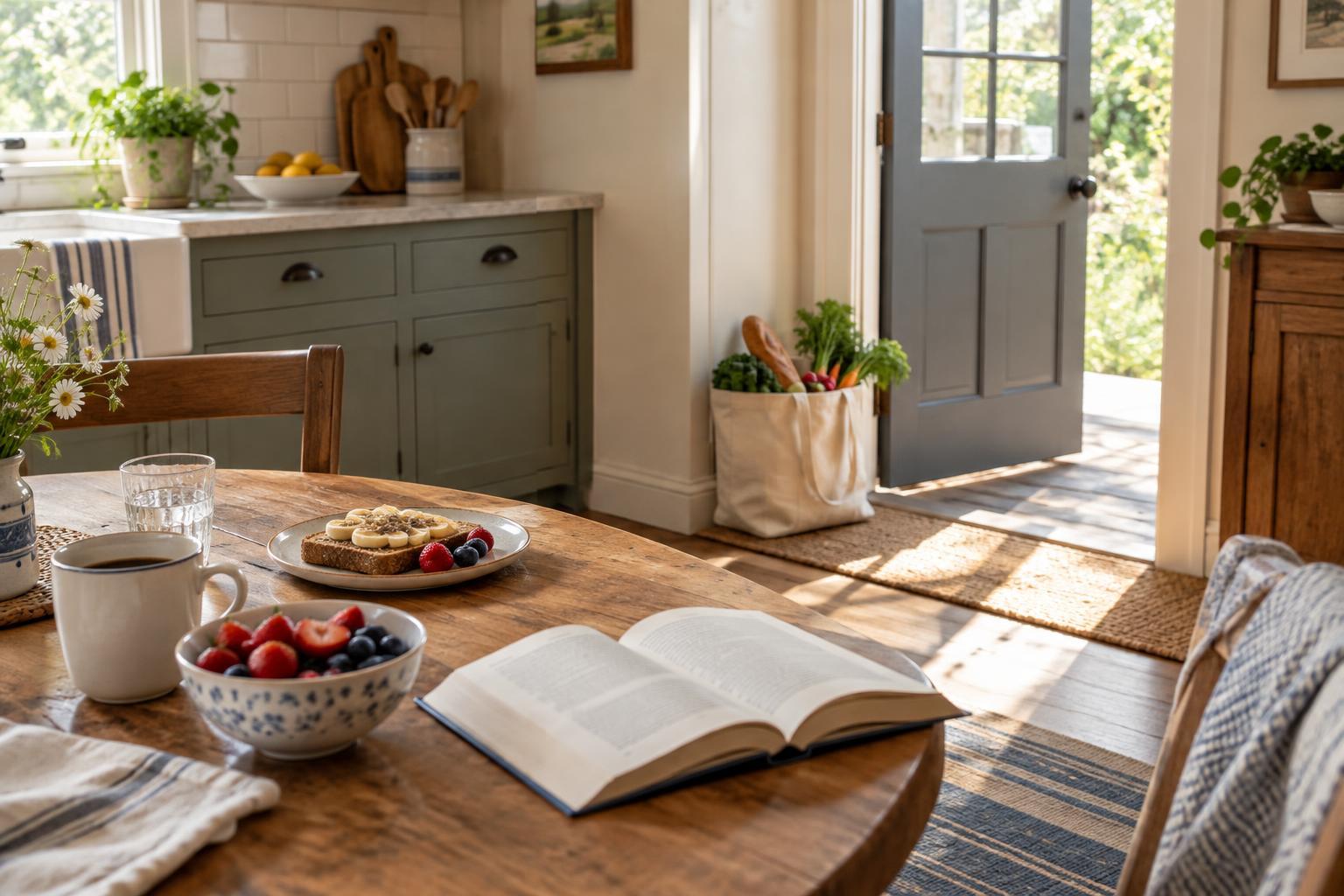
Free time can be surprisingly hard to enjoy when every option requires preparation. Set up one low-effort way to relax: borrow a book before the weekend, keep a comfortable place to sit clear, or have ingredients for a familiar lunch on hand. These small preparations are not another project. They remove the moment of friction that can turn a break into a round of indecision.
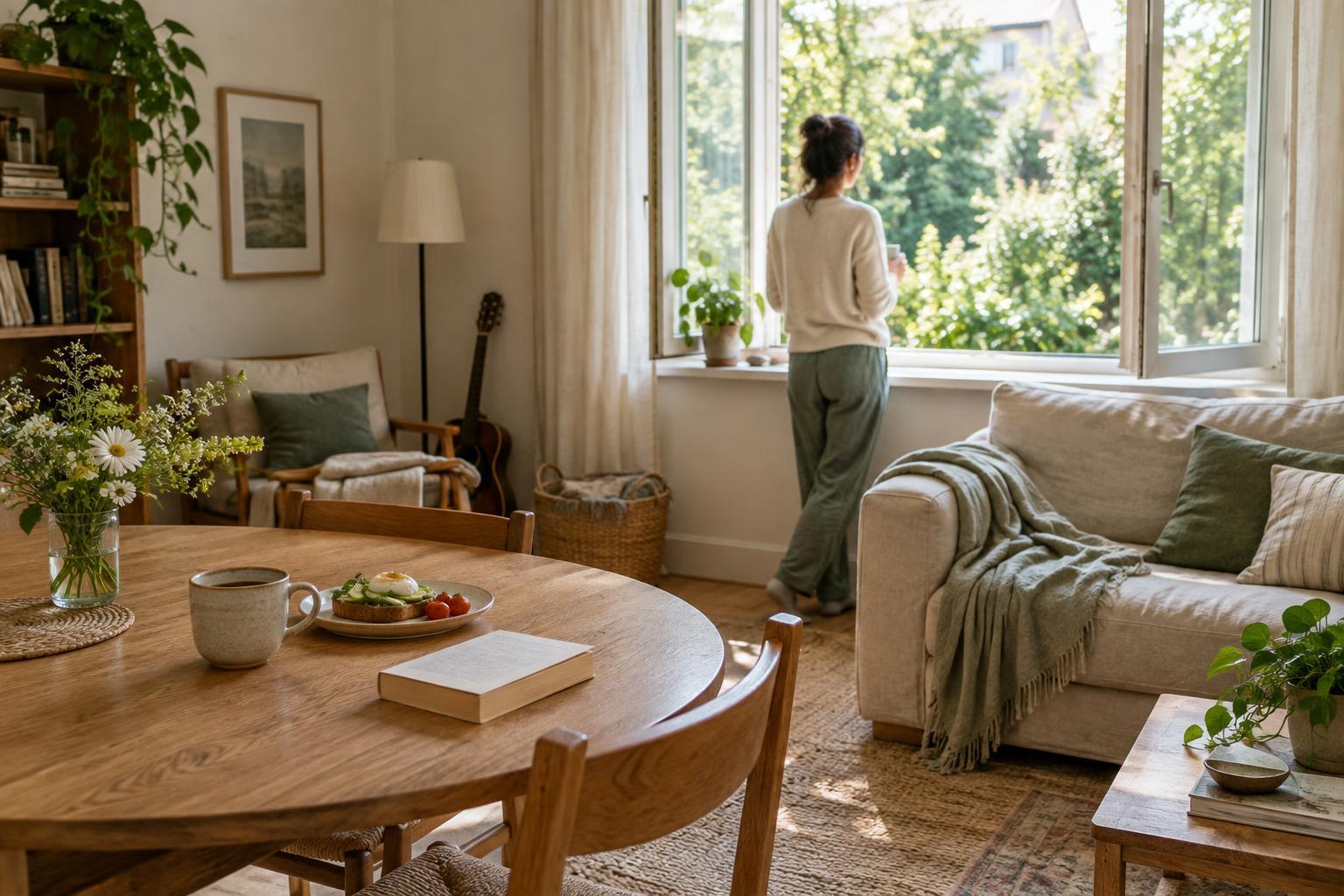
Try leaving transitions open, too. A slow breakfast before going out or an unscheduled hour after returning home gives you room to pause. Not every gap needs filling. Sometimes the best part of a weekend is lingering over coffee, taking a longer route home or deciding to stay in because home feels good.
Leave room to change your mind
A flexible plan should be easy to revise. If an invitation arrives, compare it with your priorities rather than automatically saying yes or no. If you are tired, shorten an outing or move a chore. If you feel energetic, choose something from your ideas list. Changing the plan is not a failure; it is the point of leaving space.
Near the end of the weekend, take a few minutes to prepare for Monday if that helps you settle. Check what you need in the morning, put one essential item where you will find it and then stop. A relaxed weekend does not require you to finish everything. It needs enough structure to support the time you want—and enough openness to enjoy it.