Start with an invitation, not a restriction
A screen-free afternoon sounds restful until it becomes a test of willpower. Rather than deciding that every device is off-limits, choose a small stretch of time you would like to spend differently. You might begin after lunch and see how the afternoon unfolds. The aim is not to prove you can go without a screen; it is to make space for something you might otherwise overlook.
It helps to name what you want from the time. Perhaps you want to finish a book, cook without rushing, or spend an unhurried hour with someone at home. A clear but modest intention gives the afternoon a direction without filling every minute. If a screen serves a useful purpose, such as checking a recipe or arranging a meet-up, you can use it and then return to what you were doing.
Make the next activity easy to begin
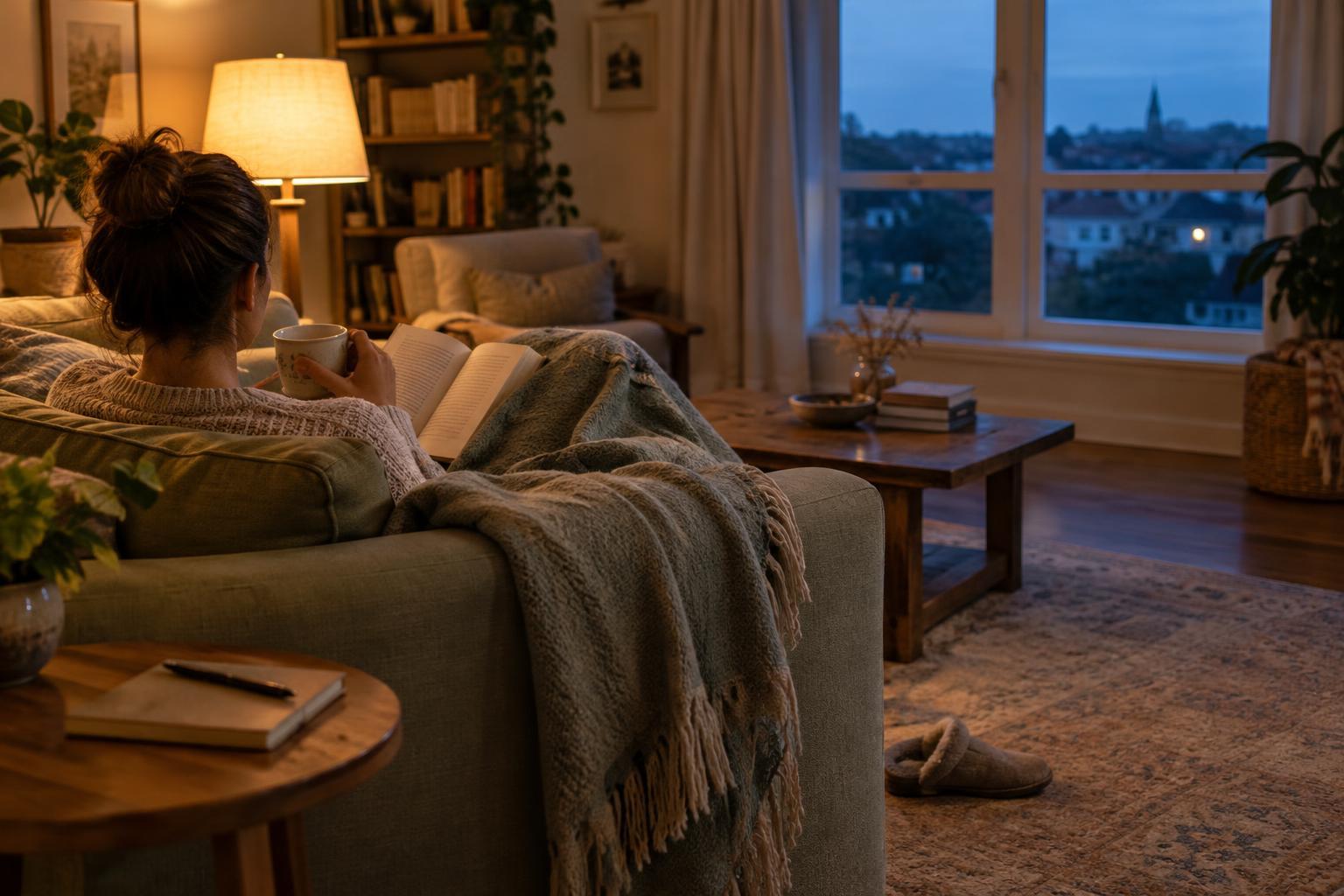
The hardest part is often the gap between putting down a phone and knowing what to do next. Before the afternoon begins, place one or two appealing options where you will see them. Leave a book on the sofa, set a board game on the table, or put ingredients for a simple snack on the counter. These small preparations remove the need to invent a plan on the spot.
Choose activities that suit your actual energy, not an ideal version of your weekend. A walk around the block, watering plants, sorting a shelf, drawing, or making tea can all be enough. If you are spending the time with others, offer a couple of choices instead of presenting a packed schedule. An afternoon feels more relaxed when everyone can take part without having to perform enthusiasm.
Give the afternoon a loose shape
A little structure can keep open time from feeling aimless. Try choosing one anchor activity, such as visiting a park or making a leisurely meal, and let the rest of the afternoon gather around it. You could take a walk, come home for a snack, and then read or listen to music. There is no need to assign an hour to each step.
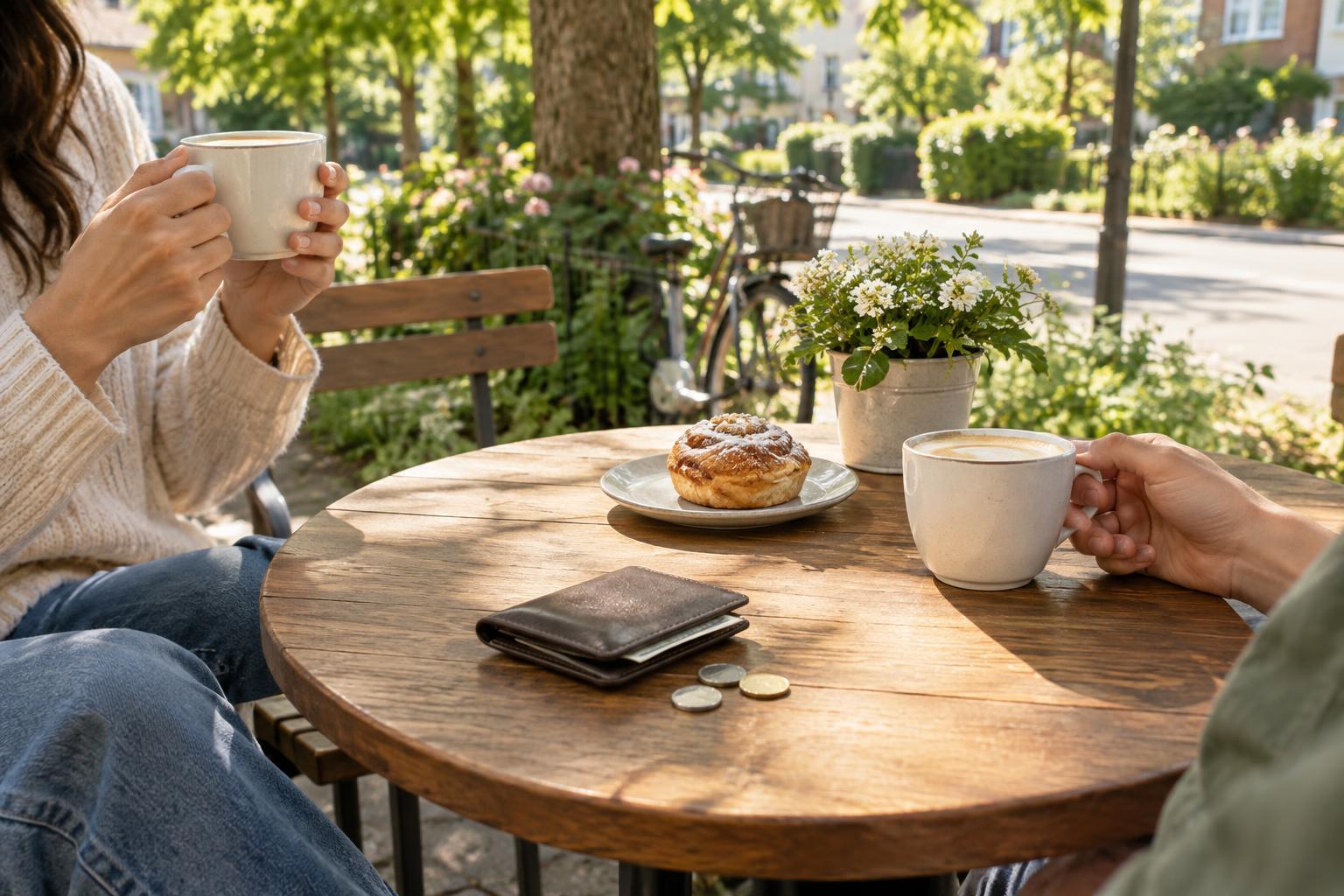
Think about the setting, too. Clear a comfortable place to sit, bring out a lamp if the room feels dim, or take drinks outside if the weather allows. Useful objects can make the time more welcoming: a tray for tea, a basket for a project, or a notebook for ideas that occur to you. You do not need to buy anything special; the point is to make your chosen activity as easy to reach as a device.
Leave room for ordinary life
A flexible plan is easier to enjoy because it can accommodate interruptions. Someone may need to answer a message, look up directions, or take a break alone. Decide in advance that these moments do not spoil the afternoon. If it would help, keep your phone in another room while you read or cook, but let that be a convenience rather than a rule everyone must follow.
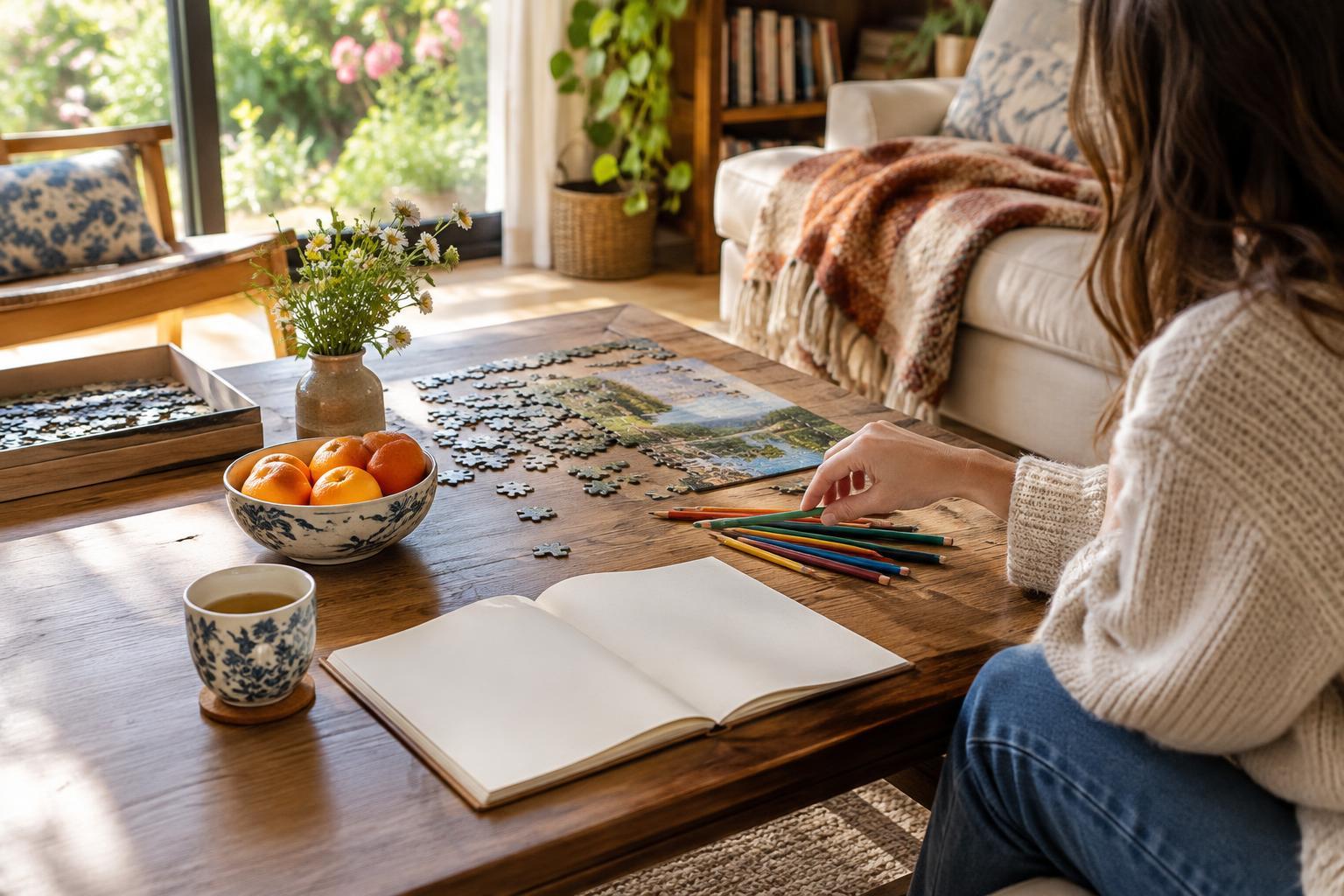
Boredom may appear, especially during the first quiet stretch. You do not have to fix it immediately. Give yourself a few minutes to look around, move to another room, or try the activity you set out. If nothing appeals, change the plan. The freedom to stop a puzzle halfway through or take a different walk is part of what makes a weekend afternoon feel like yours.
Notice what you would like to repeat
At the end of the afternoon, skip the scorekeeping. Instead, ask what felt good and what took too much effort. Perhaps having a book ready helped, but a complicated cooking project did not. Perhaps company was welcome for a walk and quiet was better afterward. Those observations are more useful than measuring how long you stayed away from a screen.
Next time, keep the part that worked and change the rest. A screen-free afternoon does not need to become a weekly ritual or even look the same twice. It can simply be an occasional way to give ordinary pleasures a little more attention, with no penalty for returning to your usual routine.