Plan options, not appointments
A dinner plan does not have to say “pasta on Monday” to be useful. That kind of schedule can fall apart when you get home late, someone makes other plans, or a meal simply stops sounding good. Instead, think of the week as a short list of dinners you could make. You still get the benefit of deciding what to buy, but you can choose the right meal for the evening you actually have.
Start by looking at how many dinners you expect to eat at home, not at how many days are on the calendar. If one night is likely to involve leftovers and another might be spent out, plan fewer new meals. Three or four dinner ideas may be enough. Keep one especially easy option in reserve so a change of plans does not turn into a last-minute grocery trip.
Choose dinners with different levels of effort
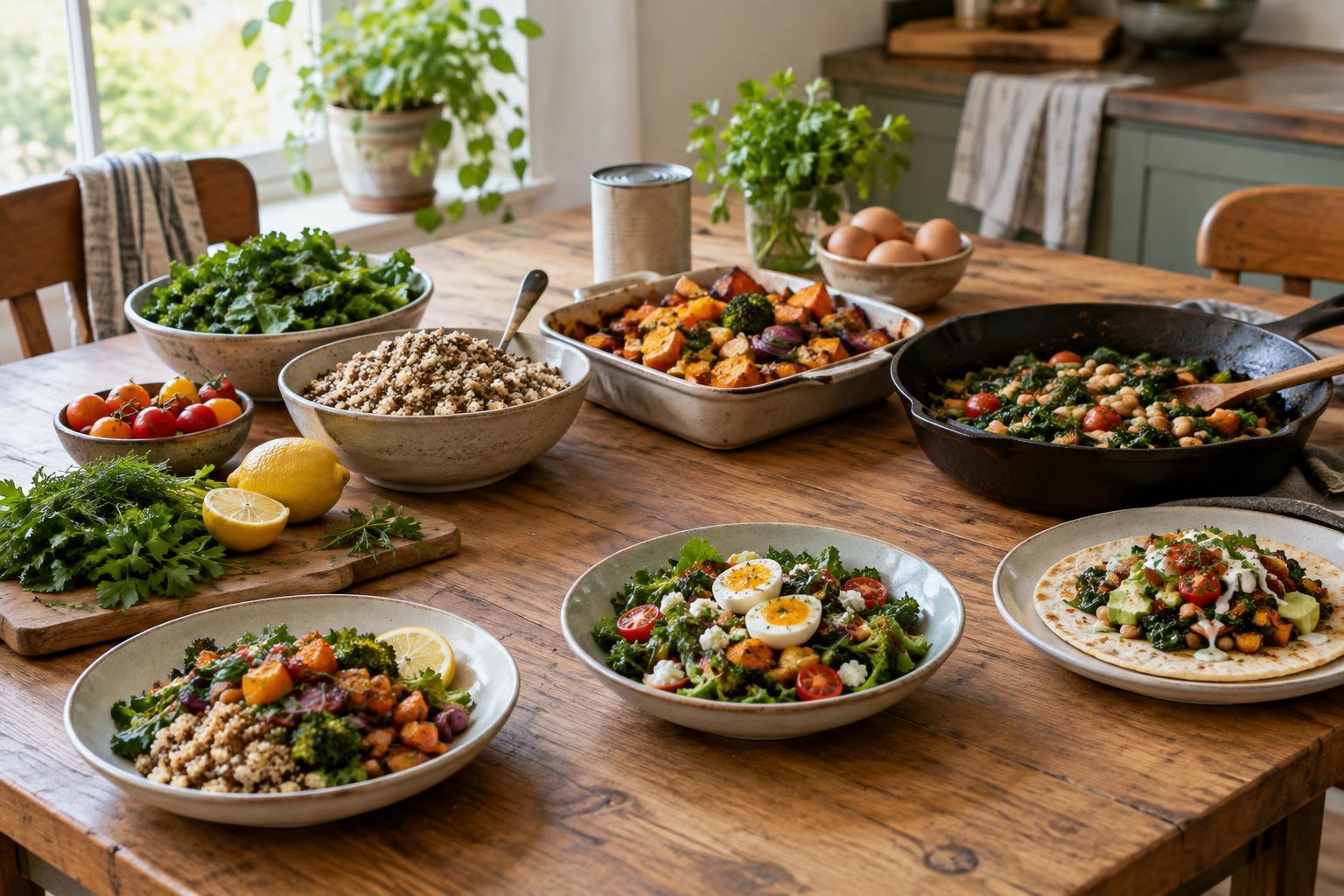
Give each planned meal a job. One can be a quick assembly dinner, such as grain bowls with vegetables, beans and a sauce. Another can be a meal you enjoy cooking when you have more time, such as a tray of roasted vegetables with chicken or tofu. A third might be a familiar fallback, like eggs on toast with a salad. Different levels of effort give you a useful choice at the end of the day.
Keep the meals specific enough to guide shopping but loose enough to adapt. “Pasta with greens and a protein” is more helpful than “something Italian,” yet it still lets you use the greens and protein available to you. Before adding a recipe to the list, ask whether you would make it on a normal weeknight. Save projects with several unfamiliar steps for a time when cooking is part of the pleasure, rather than one more task.
Shop for overlap without making every meal taste the same
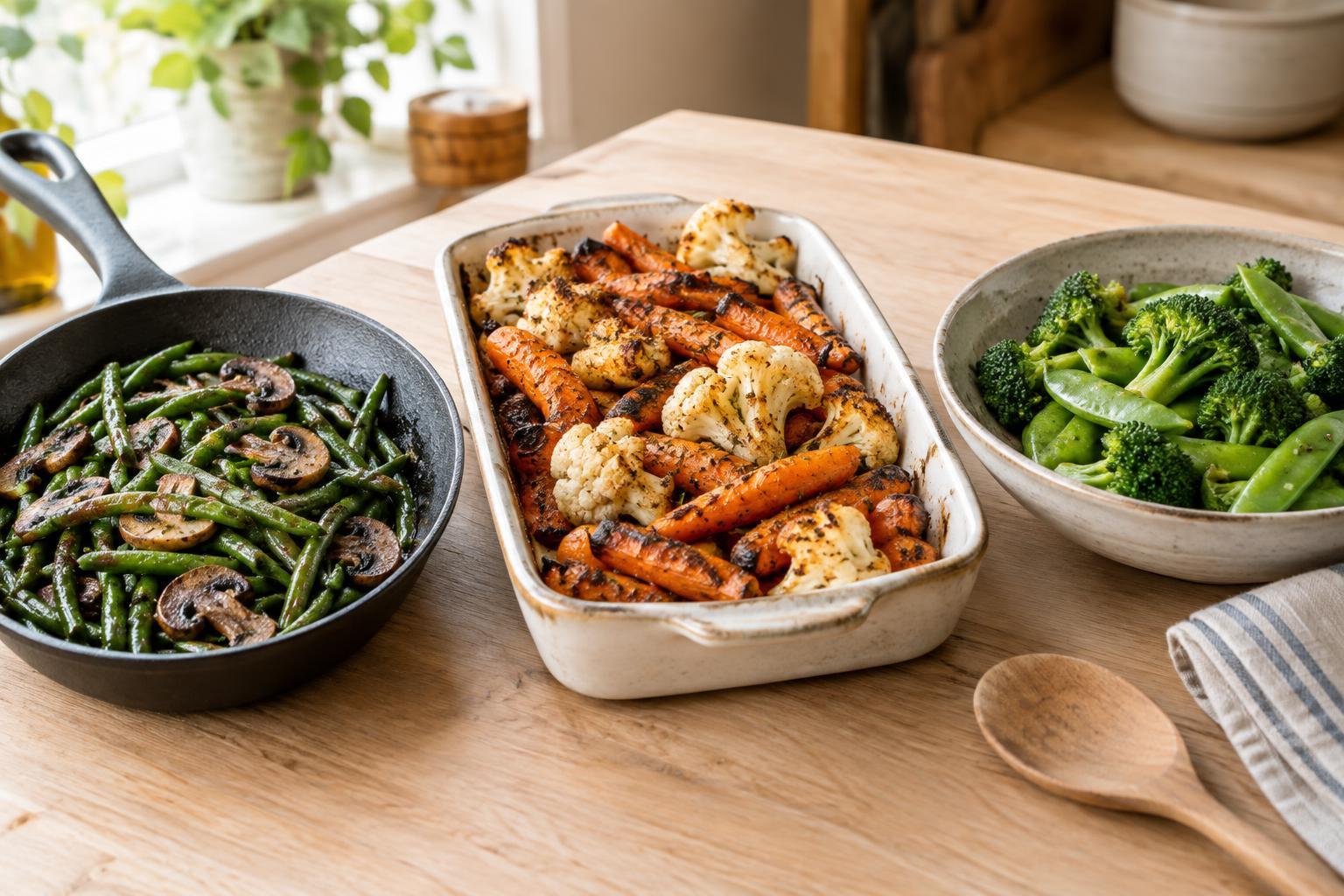
A flexible plan works best when ingredients can move between dinners. A bunch of greens might go into pasta, a grain bowl or an omelet. Yogurt could become a sauce for roasted vegetables or a topping for a spiced bean dish. Shared ingredients reduce the chance that one canceled dinner leaves you with a refrigerator full of single-purpose items.
Overlap does not mean repeating the same plate. Change the preparation or the finishing touches: roast vegetables one night and quickly sauté them another; use lemon and herbs for one meal, then a different sauce or seasoning for the next. When you write your shopping list, group items into “use soon” and “keep longer.” Plan to reach for more delicate produce first, while pantry staples and longer-keeping vegetables provide breathing room later in the week.
Prepare components, not complete dinners
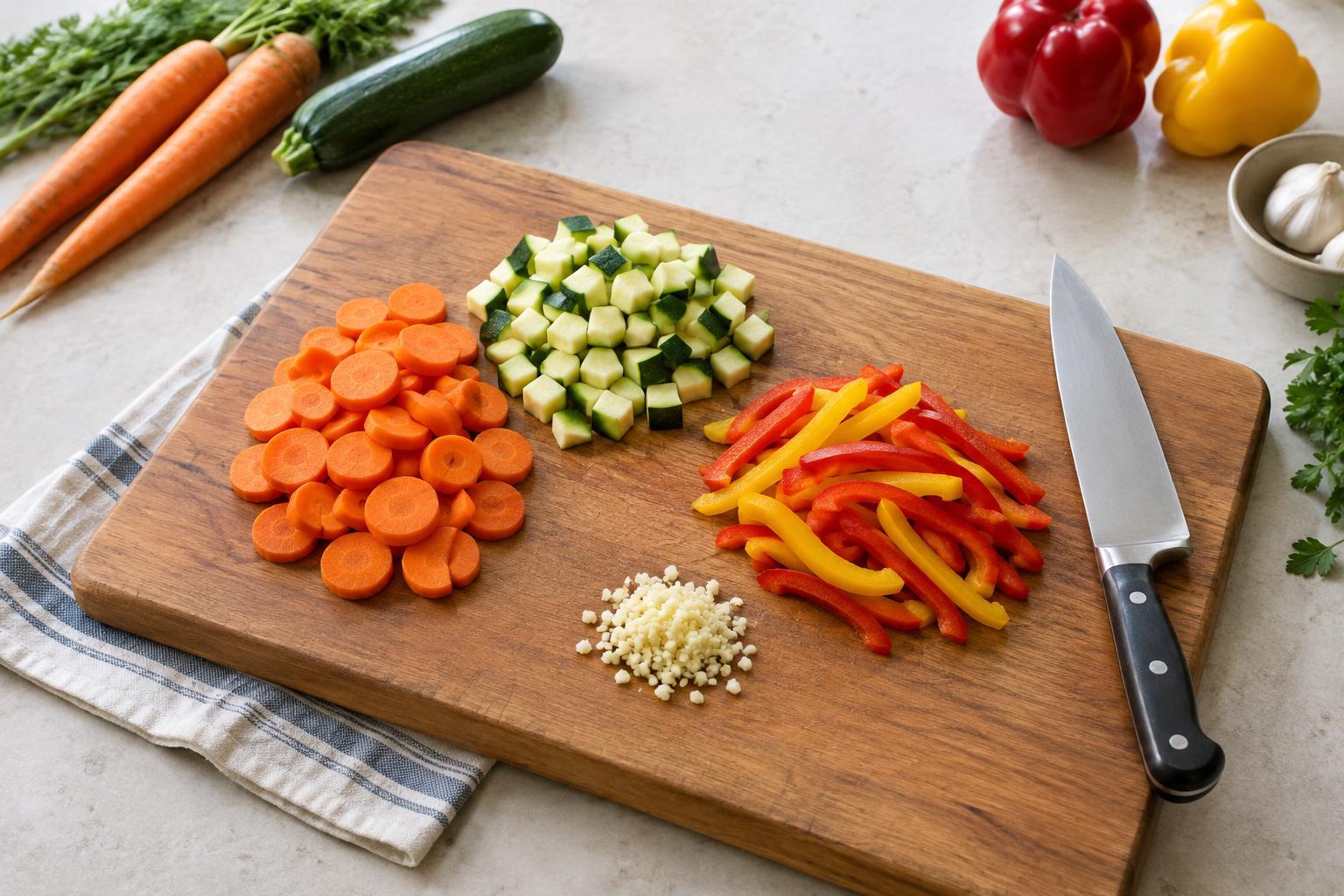
If you have a little time before the week begins, prepare one or two things that make several meals easier. Wash greens, mix a sauce, cook a pot of grains or chop sturdy vegetables. Choose tasks you know you will appreciate doing once rather than repeating on a busy evening. There is no need to spend a whole afternoon packing identical portions unless you genuinely like eating that way.
Keep prepared foods covered and refrigerated, and follow appropriate storage guidance for the ingredients you use. When in doubt about whether something will keep until a later dinner, leave it unprepared or choose an ingredient that stores more comfortably. The aim is to remove a bit of friction, not to create a collection of containers you feel obliged to finish.
Make the daily decision small
At some point each day, take a brief look at your options. What needs using first? How much time and attention can you give dinner? Would leftovers make tomorrow easier? Pick from the plan using those answers. If you know you will be out in the evening, making the choice in the morning may be helpful; otherwise, deciding when you get home is fine.
Leave yourself permission to swap, simplify or skip a planned meal. A tray-bake can become a quick skillet dinner, or its ingredients can wait while you eat the fallback. At the end of the week, notice what worked: which ingredients were easy to use, which meals suited your evenings, and what went uneaten. Those observations make the next short list more useful. A good dinner plan is not one you follow perfectly; it is one that gives you appealing choices when you need them.