Read the whole method once
It is tempting to read a recipe one step at a time while you cook. That works until a later step asks for a preheated oven, chilled dough, cooked rice, or vegetables that should already be chopped. Before taking out a pan, read from the ingredient list through the final serving instruction. The goal is not to memorize every detail. It is to understand the shape of the meal and notice anything that needs attention early.
As you read, picture the sequence: what happens first, what can happen while something else cooks, and what must wait until the end? A recipe for pasta, for example, may ask you to reserve some cooking water before draining. That small instruction is easy to miss if you only glance at the next line when the pasta is ready.
Check the time, equipment, and yield
Look beyond the stated total time. Find any resting, marinating, cooling, or preheating steps, and decide whether they fit your plans. Consider your own pace, too. A recipe that involves several kinds of chopping may take longer if you are also clearing the counter or learning a new technique. Treat the time estimate as a guide rather than a deadline.
Next, check what the recipe makes and what it uses to make it. The number of servings helps you decide whether to scale the ingredients or plan for leftovers. Note the pan size, baking dish, blender, or other tools mentioned in the method, not just at the top. A wide skillet and a small saucepan can produce different results because food has different amounts of room to cook. If you need to use another tool, think through how that change might affect the instructions before you begin.
Read the ingredient list as a preparation list
An ingredient list often tells you more than what to buy. It may specify “one onion, diced” or “two tablespoons butter, divided.” Those words describe work to do and portions to keep separate. Watch the order of the wording as well: “one cup chopped nuts” asks you to measure after chopping, while “one cup nuts, chopped” generally asks you to measure first. When precision matters, follow the wording the recipe uses.
Check that you have enough of everything, including easy-to-overlook ingredients such as oil, salt, or a garnish added at the end. If you plan a substitution, ask what job the original ingredient does. Is it providing moisture, thickness, acidity, or simply flavor? Swapping an herb is often less disruptive than replacing an ingredient that helps a batter set. If you are unsure, choose a recipe built around what you have rather than making several guesses at once.
Find the points that need your attention
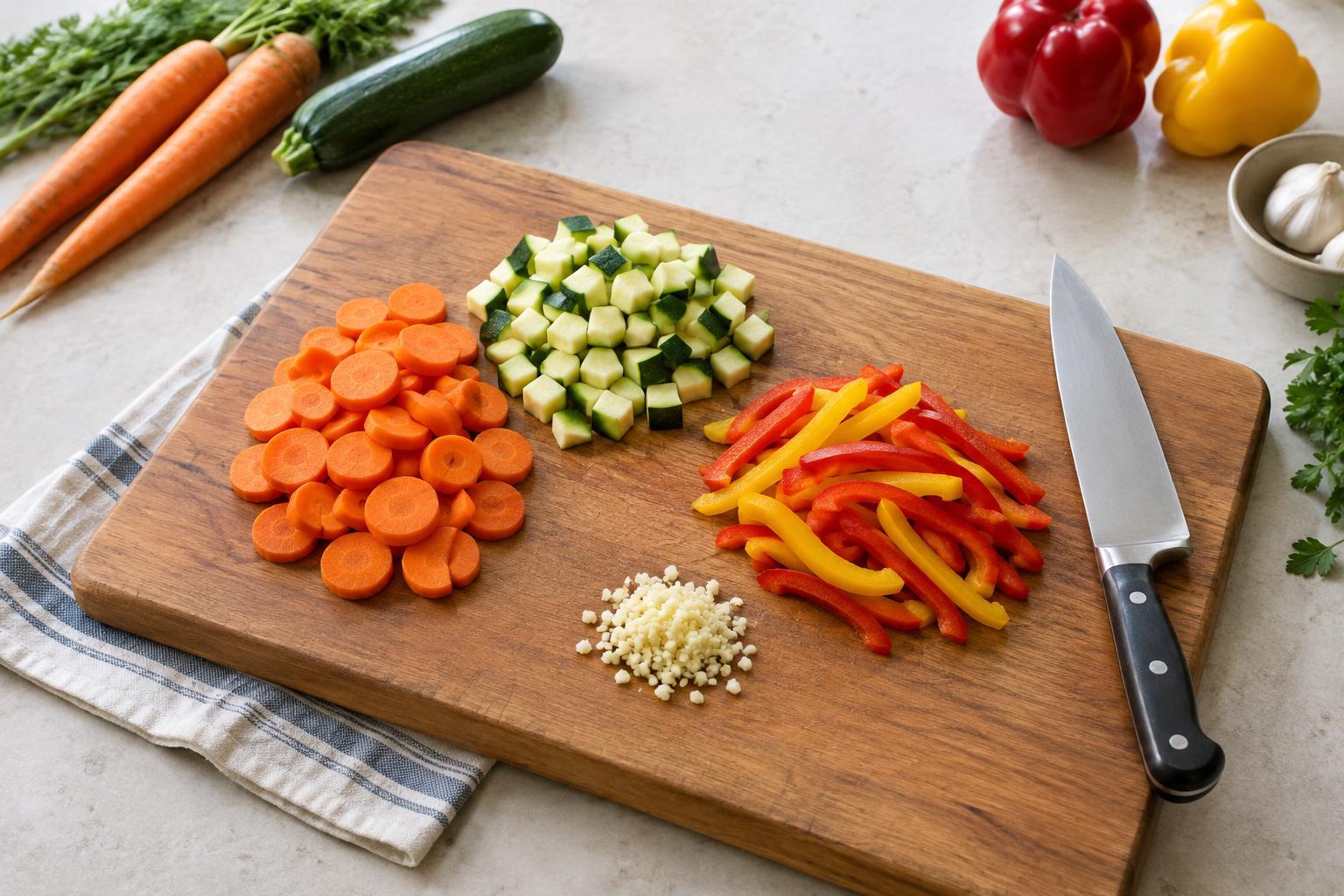
Some steps leave you free to tidy up; others require you to stay close. Highlight the moments when ingredients go into a hot pan, a sauce thickens, or several items must be added in quick succession. Those are good reasons to wash and chop ingredients beforehand. You do not need a row of matching bowls: a plate, a cutting board, and a few small containers can keep the next steps within reach.
Pay attention to descriptive cues as well as minutes. “Cook until the onions are soft” tells you what result to look for, while a stated time helps you estimate when to check. Heat, pan size, and ingredient size can all affect the pace. If a recipe says to reduce a sauce until it coats a spoon, use that cue rather than turning off the heat solely because the suggested minutes have passed.
Make a small plan, then cook
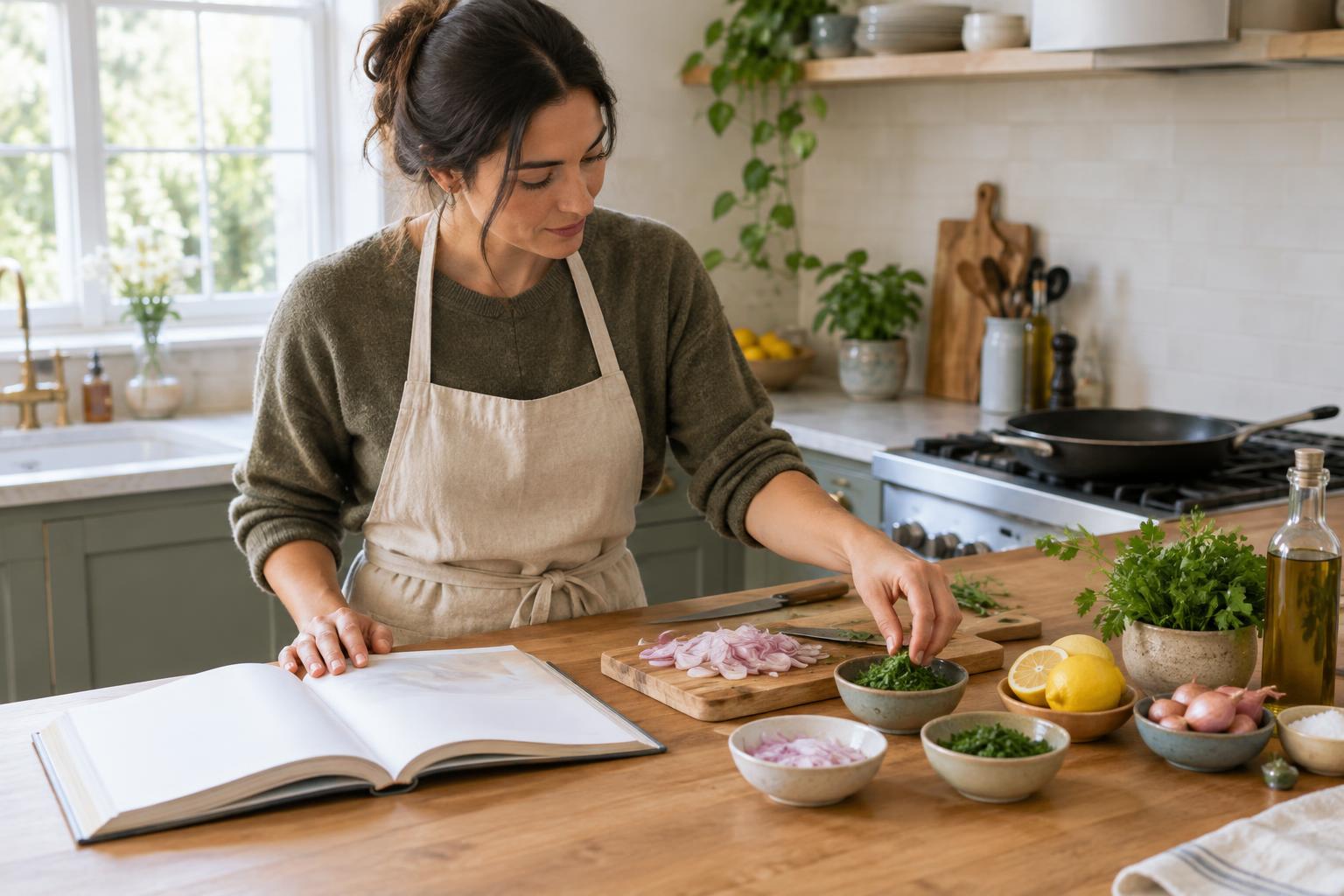
After reading, make a short mental or written plan: prepare the slowest component first, group the ingredients needed for each stage, and identify anything that must be saved for later. Clear enough counter space to work comfortably. Put out a place for scraps and check that the serving dishes you need are available. These modest preparations can make the method easier to follow without turning a weeknight dinner into a production.
Keep the recipe nearby as you cook, and reread a step before beginning it. If the result looks different from the description, pause to check the heat, the amount in the pan, and what the next instruction expects. Reading ahead is not about eliminating every surprise. It gives you a map, so you can focus on what is happening in front of you and make thoughtful adjustments when needed.