Start with what the vegetables need
Before choosing a recipe, look at what you have. Roasted vegetables often have browned edges and concentrated flavor, so they may need only a quick warm-up. Steamed vegetables tend to be softer and milder; they benefit from a bold dressing, sauce or crisp topping. Sautéed vegetables may already contain oil, garlic or spices that can guide the next meal. Taste a small piece while it is cold so you know how much seasoning to add later.
Sort vegetables by texture rather than trying to use everything in the same way. Firm pieces of potato, cauliflower or carrot can go into a hot skillet. Soft squash, eggplant or tomatoes can be stirred into a sauce or soup. Cooked greens can be folded into eggs, rice or pasta. If a container holds several kinds, you can still use them together; cut large pieces to a similar size so they heat at roughly the same pace.
Build a meal around a base
A leftover vegetable becomes dinner when it has enough substance around it. Choose one easy base: rice, noodles, toast, a baked potato, tortillas or a bowl of grains. Then add something filling, such as beans, lentils, an egg, tofu, cheese or leftover cooked meat. The vegetables provide flavor and variety without carrying the whole meal.
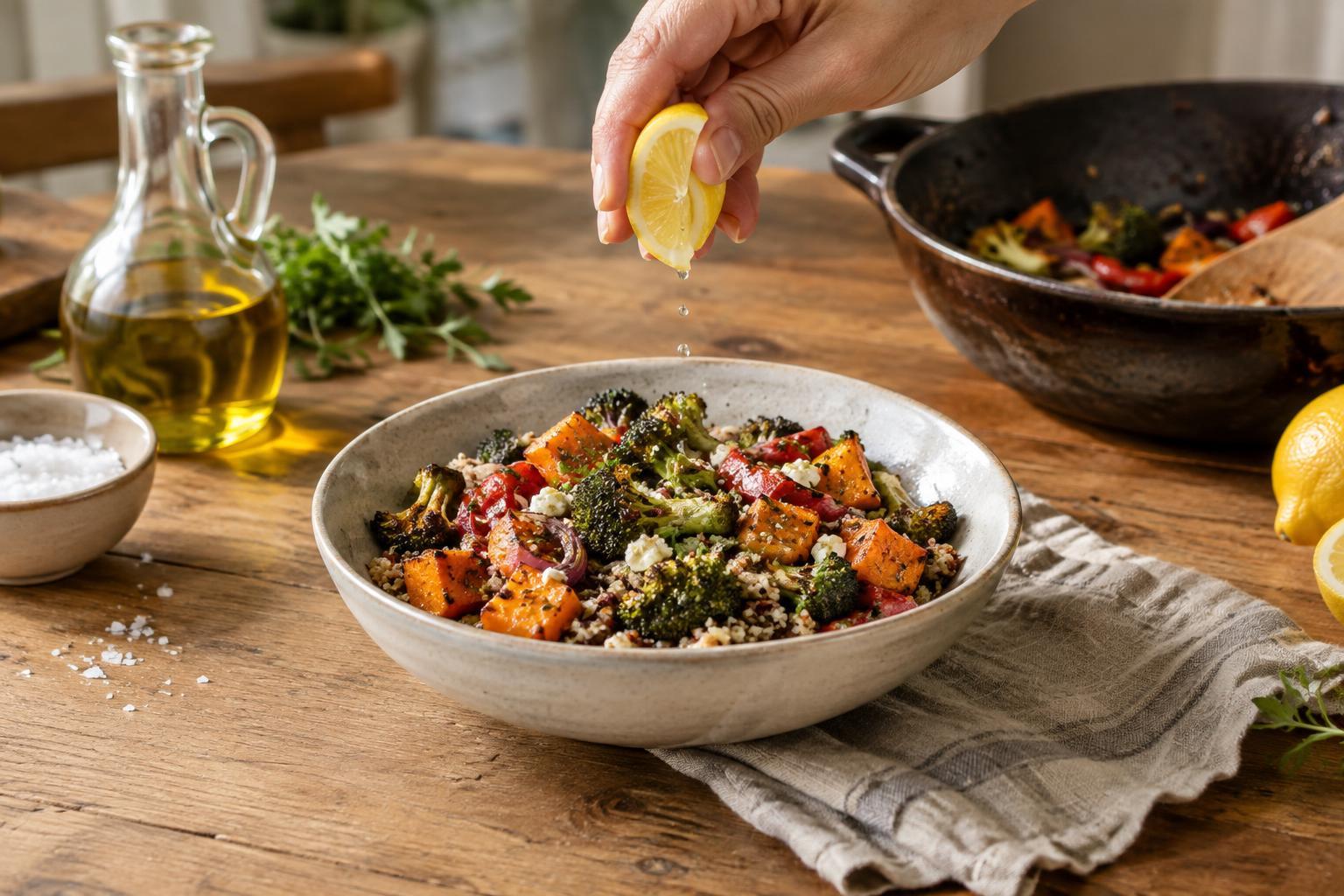
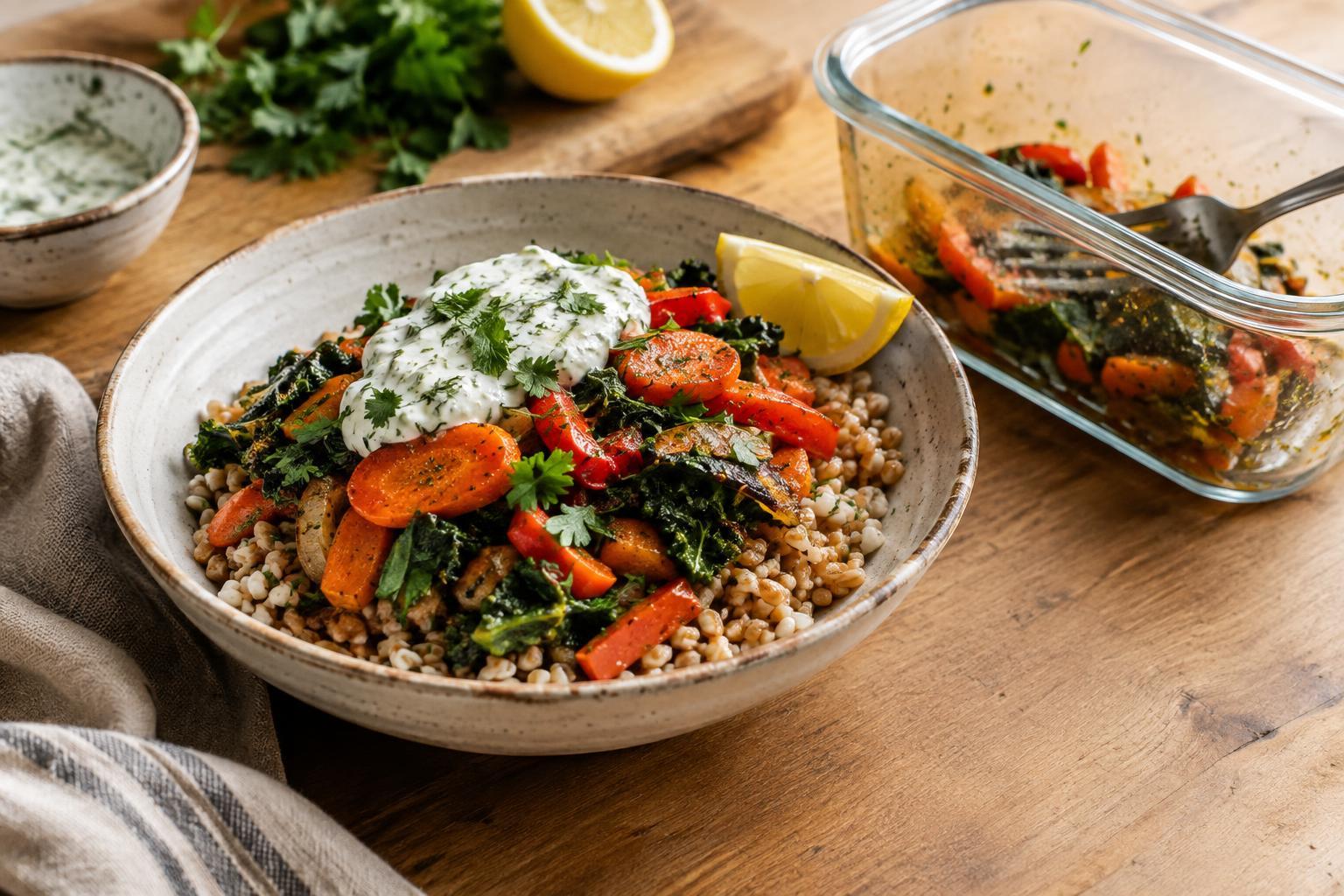
For a simple bowl, warm the vegetables and spoon them over rice or another grain. Add beans or a fried egg, then finish with something sharp, such as lemon juice, vinegar or pickled onions. To make a wrap, chop the vegetables smaller and tuck them into a tortilla with a spread and a handful of crunchy greens. These are flexible formats, not recipes that require exact amounts: use enough of each ingredient to make a balanced, satisfying plate.
Change the texture so it feels new
Texture is often the difference between a welcome second meal and a reheated side dish. Spread firm vegetables in a lightly oiled skillet and leave them alone for a few minutes so their surfaces can brown. If they are crowded, they are more likely to steam than crisp. Once hot, toss them with cooked grains for a skillet meal, or serve them beside toast and eggs. Vegetables that are already very soft are better suited to a different approach than repeated frying.
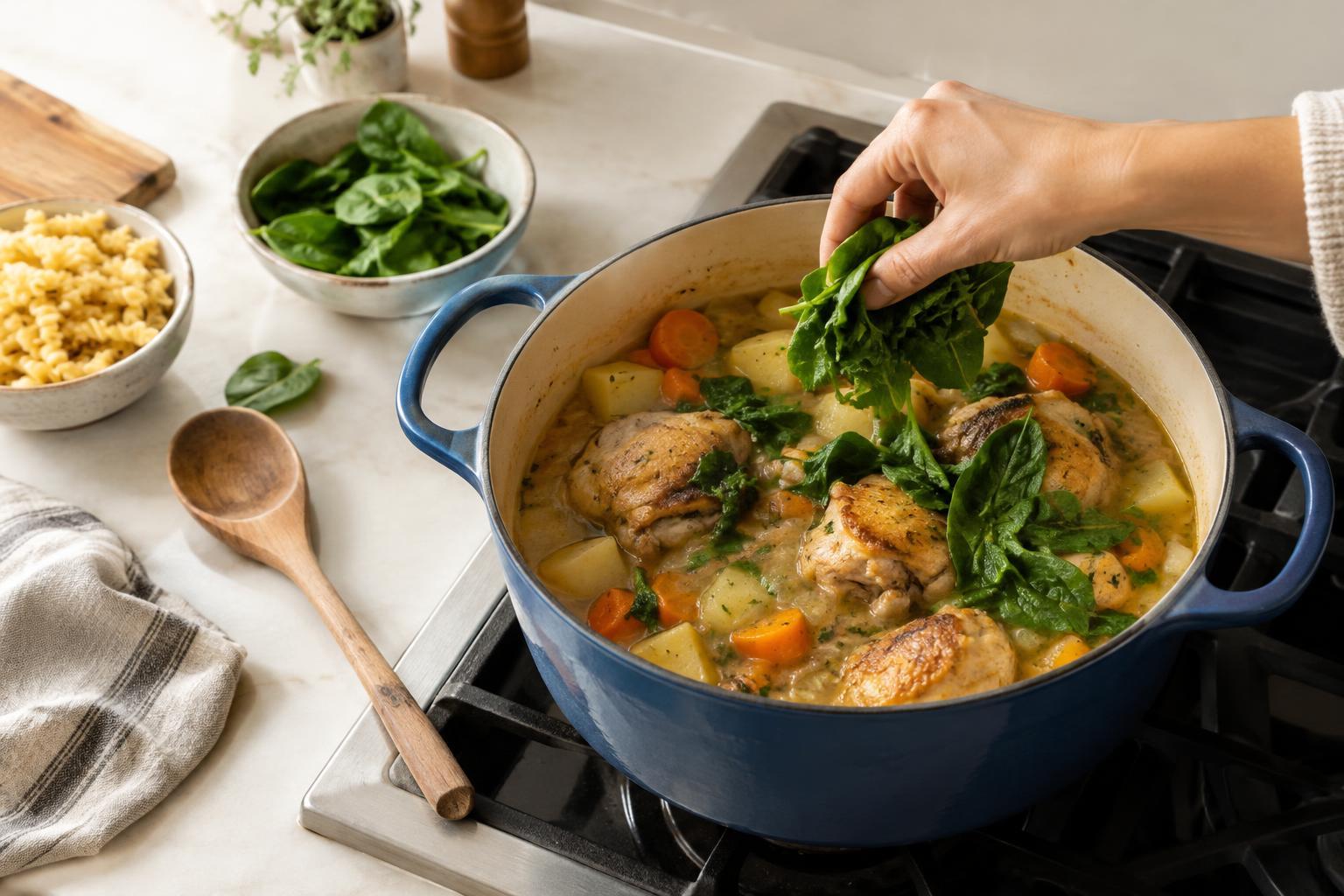
Soft vegetables can become the body of a soup or sauce. Add them to a pot with a little broth or water, simmer until heated through, and blend if you want a smooth texture. Roasted carrots and squash make a mild base; cooked peppers and tomatoes give a brighter result. Taste before adding salt, especially if the vegetables were heavily seasoned the first time. A spoonful of yogurt, a scattering of toasted seeds or a piece of crusty bread gives the finished bowl some contrast.
Use a finishing touch to set a new direction
The fastest way to move leftovers away from yesterday’s menu is to change their final seasoning. Lemon and herbs make roasted vegetables feel lighter. A spoonful of chili crisp or a little hot sauce adds heat to mild greens or potatoes. Yogurt with garlic offers a cool contrast to spiced vegetables, while a simple vinaigrette works well when the vegetables will be served at room temperature.
Keep the finishing touch proportionate. If the original dish contains strong spices, start with one complementary addition rather than several competing sauces. For lightly seasoned vegetables, try combining three elements: something acidic, something creamy or savory, and something crunchy. For example, cooked broccoli over toast can take a squeeze of lemon, a little grated cheese and toasted breadcrumbs. Taste after each addition; leftovers have already been seasoned once.
Make the next meal easy on purpose
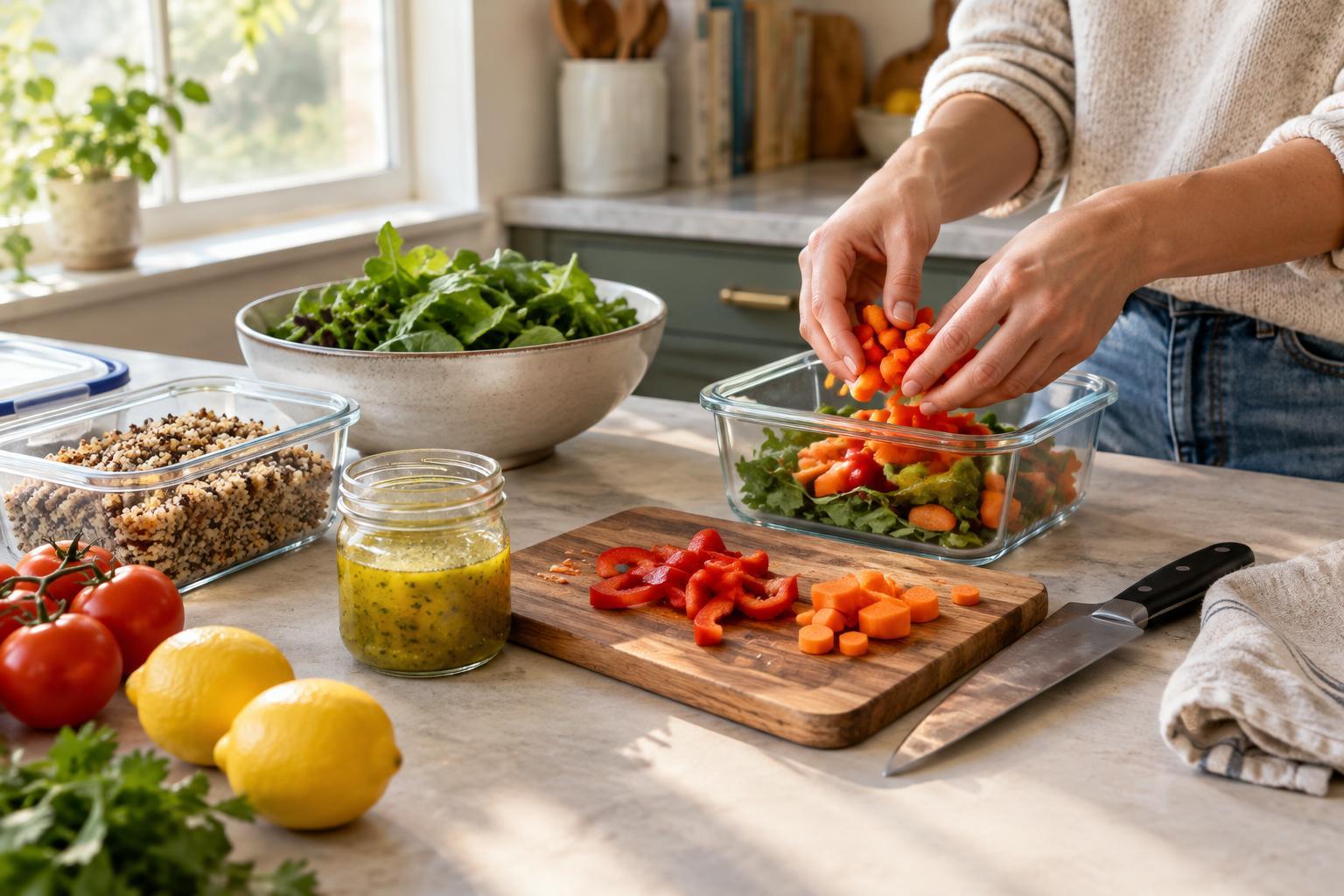
When putting cooked vegetables away, use a container that makes them easy to see and plan to use them soon. Refrigerate them promptly, and reheat them thoroughly when serving them hot. If you are unsure how long they have been stored or whether they were handled safely, it is better not to build a meal around them.
A small habit can also prevent the familiar collection of half-full containers. When you open the fridge, pick one base and one finishing touch for the vegetables you already have. You do not need to disguise them or invent an elaborate recipe. A new texture, a filling companion and a fresh flavor are usually enough to turn a leftover side into a meal of its own.