Start with sheen, not just color
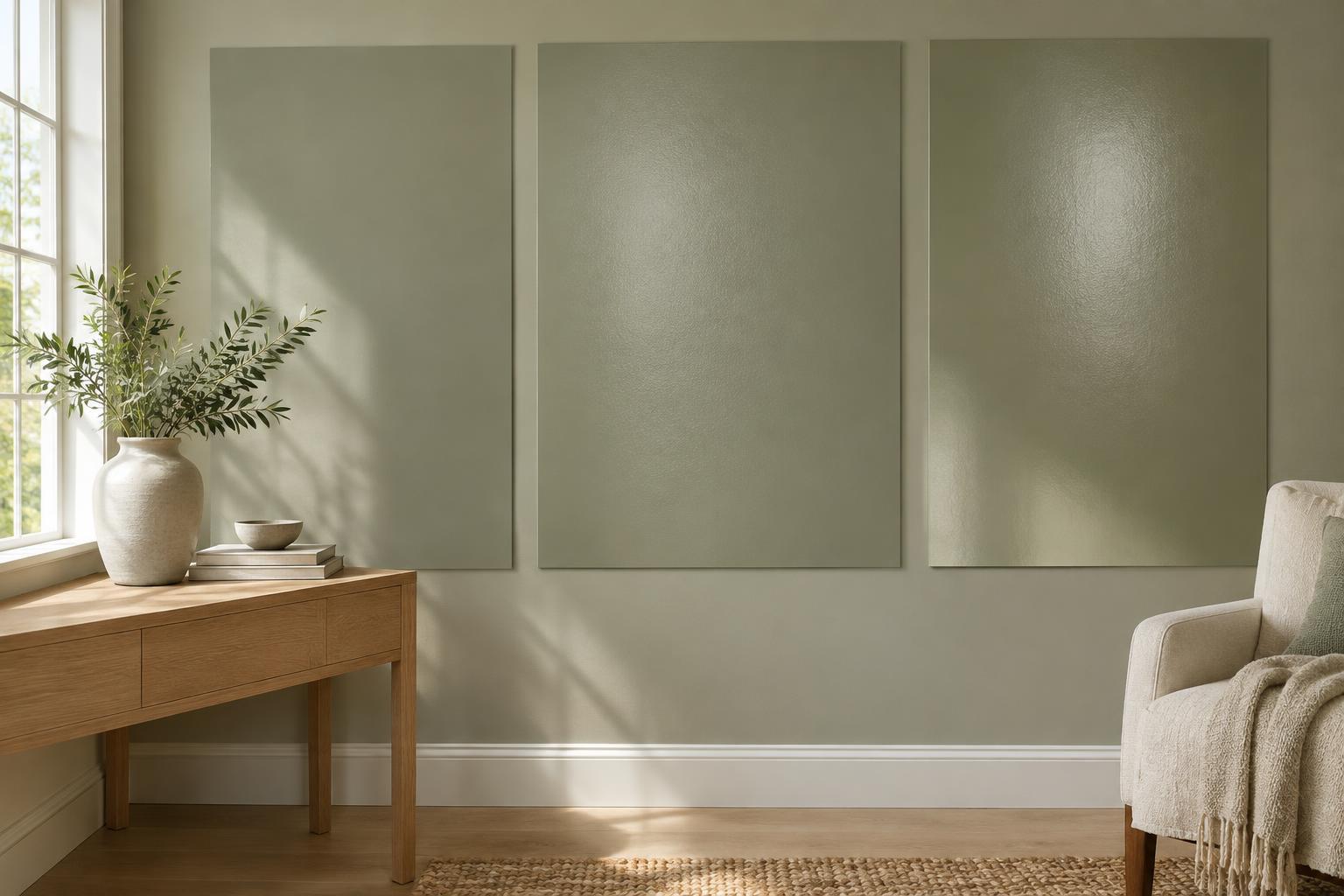
Two walls painted the same color can look surprisingly different if one is matte and the other is satin. Finish affects how much light the surface reflects, how visible small wall flaws appear, and how the paint feels when you clean it. Matte has little visible shine; eggshell has a soft, low luster; satin has a more noticeable glow. The exact appearance varies by paint line, so a finish name is a starting point rather than a guarantee.
Before choosing, think about the surface and the room’s routine. Does daylight skim across an older, uneven wall? Will hands regularly touch the area? Are cooking splashes or bathroom moisture likely? There is no need to use one finish throughout the house. Choosing room by room often gives a calmer look and makes maintenance more manageable.
Matte: a quiet look for lower-contact surfaces
Matte paint absorbs more light than the other two finishes, creating an even-looking surface with little glare. It can make minor dents and uneven patches less obvious, especially on walls lit from the side. That makes it appealing for ceilings, adult bedrooms, and living spaces where walls are not regularly bumped or wiped. A deep color in matte can also feel rich without drawing attention to reflections.
The trade-off is cleaning. Some matte paints tolerate gentle wiping well, while others may show a polished-looking spot after scrubbing. If you want matte in a family room or hallway, look for a product specifically described as washable and follow its cleaning guidance. In places that get frequent scuffs, keep a little paint for touch-ups, but expect repairs to show if the old finish has worn or the wall has faded.
Eggshell: the flexible choice for most walls
Eggshell sits between the muted appearance of matte and the brighter reflection of satin. It adds a slight softness when light reaches the wall without making the surface look glossy. For many homes, it is a useful default for living rooms, dining rooms, bedrooms, and hallways. It is particularly worth considering when you want a consistent finish across connected spaces with different levels of use.
Eggshell is often easier to wipe than a basic matte paint, but that does not make every eggshell product equally tough. Paint quality, the condition of the wall, and how long the coating has had to cure all affect the result. It may also reveal more surface texture than matte, so repair obvious dents and sand rough patches before painting. If a hallway takes heavy wear, compare a durable eggshell with satin rather than deciding by sheen alone.
Satin: a practical finish where contact is frequent
Satin reflects more light, giving a wall a gentle glow that is especially visible near windows and lamps. Its surface is commonly chosen for spaces that need regular wiping: kitchens, children’s rooms, mudrooms, and busy passageways. It can also work on doors, built-ins, and some trim when you want definition without a highly glossy look. For a kitchen backsplash area or a frequently splashed sink wall, paint is still no substitute for a surface designed to handle persistent water.
Satin’s reflectiveness makes preparation more important. Roller marks, patched areas, and bumps can stand out when light travels across the surface. Clean and repair the wall, use an appropriate primer where needed, and apply the paint evenly. For bathrooms, choose a product intended for that environment and maintain ventilation; sheen alone does not prevent moisture problems.
Test the finish in the room before committing
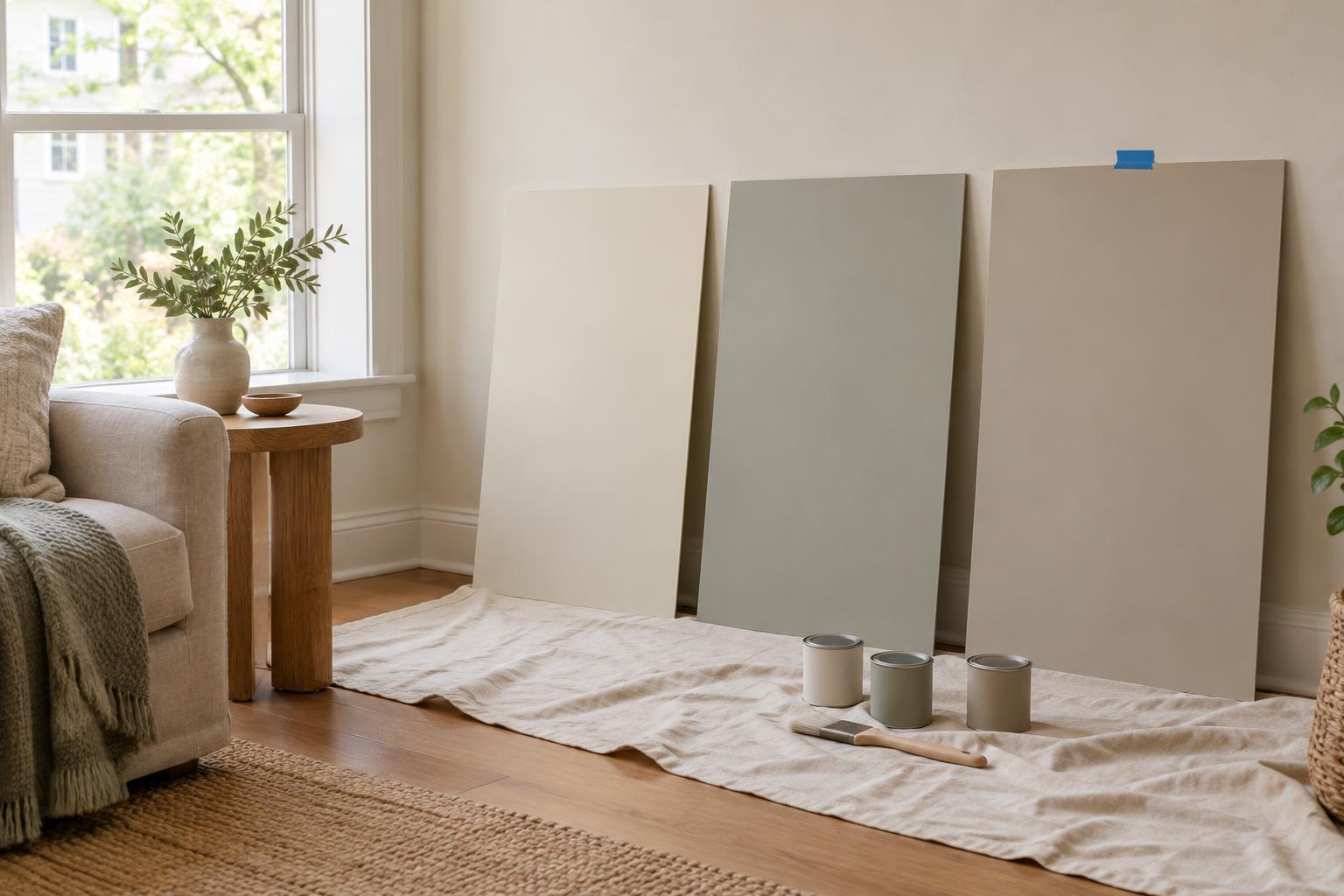
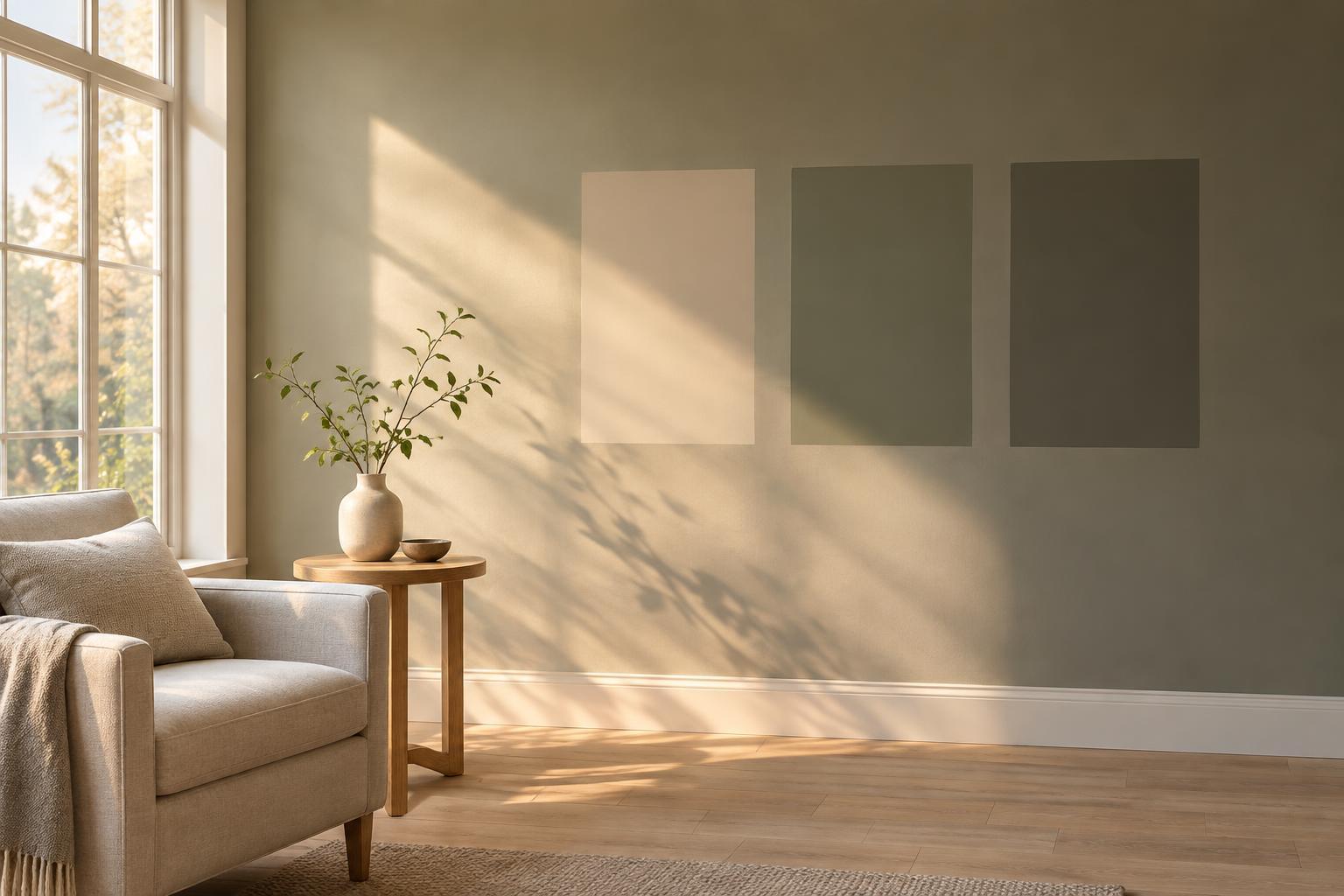
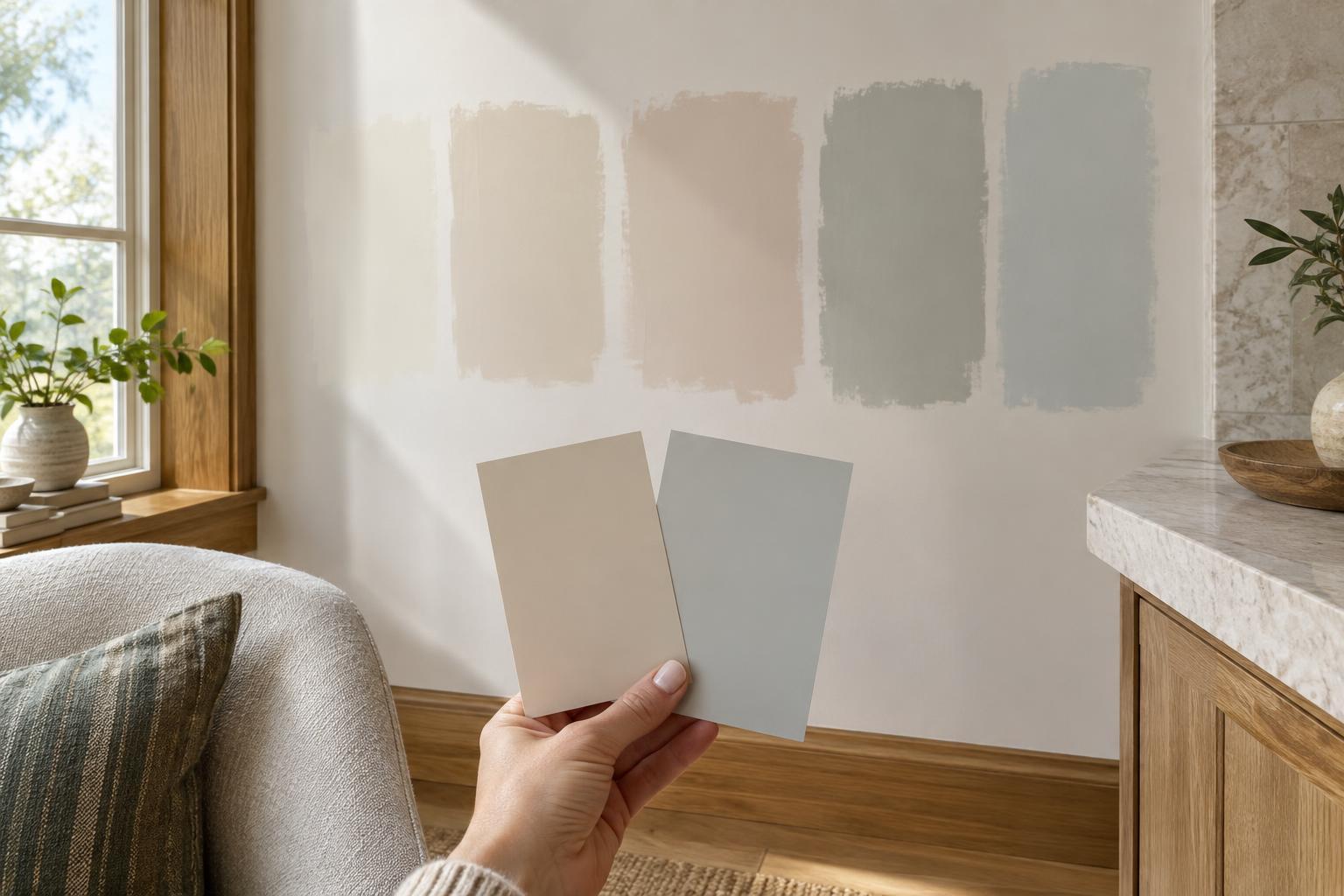
A small swatch can help with color, but it may not show how sheen behaves across a full wall. If possible, apply sample paint to a prepared area or sample board and look at it in morning daylight, evening light, and under the lamps you normally use. View it from an angle as well as straight on. A finish that seems subtle head-on may look much shinier beside a window.
Check the manufacturer’s guidance for the specific paint, including recommended surfaces, cleaning, and any bathroom or kitchen suitability. If you are painting adjoining walls the same color, note the finish on each can make the color appear different. A simple plan is to use matte where you value a soft, quiet surface, eggshell for versatile everyday walls, and satin where wiping and wear matter most.