Start with the ingredient’s job
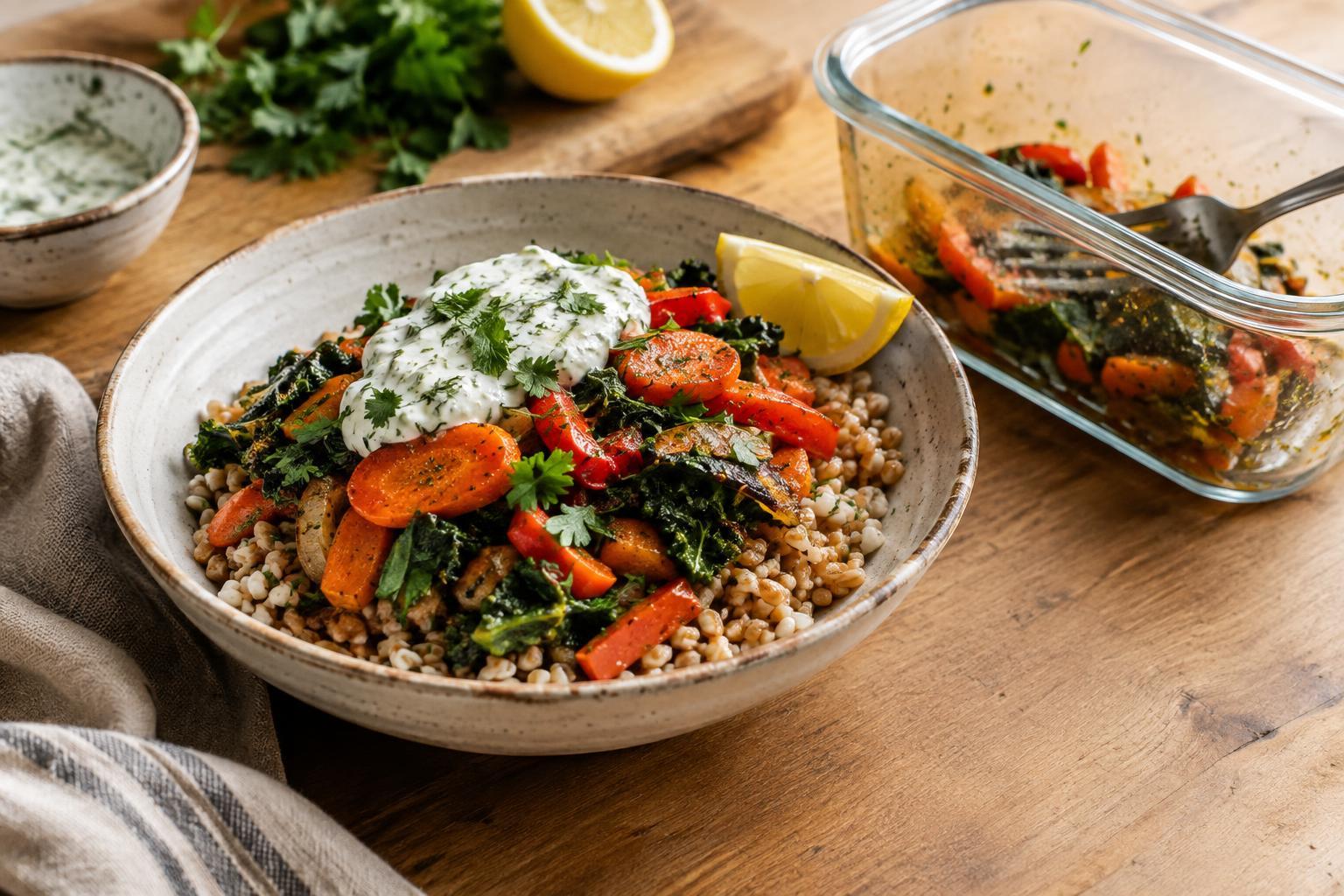
The best substitution is not always the ingredient that looks most similar. It is the one that does the same job in the dish. Before making a swap, ask whether the missing item provides bulk, moisture, richness, acidity, heat, or a distinctive flavor. A bell pepper in a skillet meal adds both volume and sweetness; a squeeze of lemon at the end adds brightness but very little bulk. Treating those as different jobs makes dinner easier to adjust.
Also consider when the ingredient is used. Something that cooks for half an hour must tolerate heat, while a garnish only needs to taste good fresh. Start with a modest amount of your substitute, especially if it is stronger, saltier, or more acidic than the original. You can often add more near the end, but you cannot easily remove it.
Keep the flavor base flexible
Onions, shallots, scallions, and leeks can often stand in for one another in savory dishes, but they do not taste identical. Use the white or pale parts of scallions and leeks when you want a gentler cooked base. If you have only a small amount of onion, dice it finely so it spreads through the dish. Garlic powder can provide some garlic flavor when fresh cloves are missing; add a little at a time and avoid relying on it for the texture of sliced or roasted garlic.
Dried herbs are useful when fresh ones are unavailable, particularly in soups, stews, and sauces that have time to simmer. Begin with less dried herb than the recipe requests fresh, then taste after it has had time to soften. For a fresh herb garnish, a different fresh herb may work better than a dried one—or you can leave it out and finish with lemon, olive oil, or a little black pepper instead. The aim is a balanced plate, not an exact copy.
Swap dairy by texture as well as taste
In many savory sauces and soups, plain unsweetened yogurt can replace some sour cream or crème fraîche when you want tang and creaminess. Stir it in off the heat or over very low heat to reduce the chance of curdling. Milk can loosen a sauce in place of cream, but it will make the result lighter; a small amount of butter or olive oil can restore some richness. Unsweetened plant-based milk may also work, provided its flavor suits the dish.
Cheese swaps deserve a closer look. A firm grated cheese can add a salty finish, but it will not melt like a softer cheese. Conversely, a good melting cheese may give you stretch without the sharpness you expected. Taste before adding extra salt, and be cautious with substitutions if you are cooking for someone with an allergy or dietary restriction. Similar-looking products do not necessarily have the same ingredients.
Make vegetables and staples fit the method
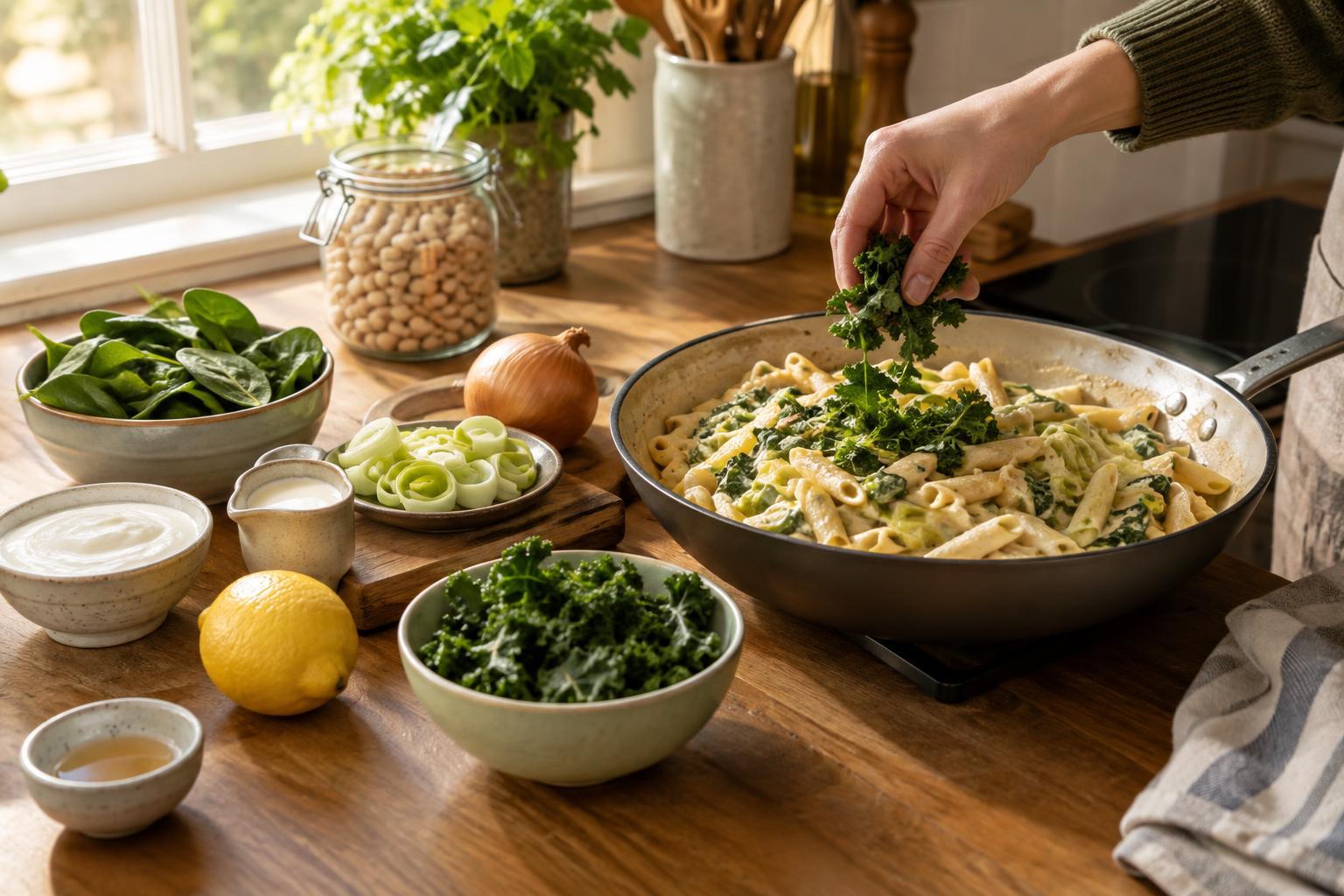
For a quick sauté, replace a missing vegetable with one that cooks at a similar speed. Thinly sliced zucchini can take the place of mushrooms as the main bulk of a skillet dish, though it will release water and taste less earthy. Spinach can stand in for other tender greens, but add it near the end. If you swap a firm vegetable such as carrot for a tender one, cut it smaller or give it a head start in the pan.
Rice, pasta, couscous, and potatoes can often play the same role as a simple base for a saucy dinner, but they need different cooking methods and times. Prepare the replacement according to its own needs rather than copying the original recipe’s timing. Canned beans are another convenient way to add substance to a soup or grain bowl; drain and rinse them if you do not want the packing liquid to affect the dish. In a blended soup, they can add body without requiring cream.
Adjust the finish, then know when not to swap
If dinner tastes flat after a substitution, check the finishing flavors before adding more salt. A small squeeze of lemon or a dash of vinegar may bring a rich dish into focus. If it tastes too sharp, a little fat or a mild, starchy side can soften the impression. For crunch, toasted seeds, nuts, or crisp breadcrumbs may serve a similar purpose, as long as they suit everyone at the table.
Some ingredients are structural, not optional. In baking, flour, eggs, and leaveners affect how a recipe sets and rises, so casual one-for-one swaps are less reliable than they are in a weeknight soup. Likewise, a dish built around a particular ingredient may simply become a different dish when you replace it. That is fine: keep the cooking method, season thoughtfully, and name the result for what it is. A good substitution gets a satisfying dinner on the table, even when it takes a slightly different route.