Start with what you want from the day
A free Saturday can be surprisingly hard to plan when no one else is setting the time or choosing the place. Instead of asking what you ought to do, ask what would make the day feel good. You might want a change of scenery, a quiet meal, a chance to browse, or a long stretch with no schedule. Picking one priority gives the day a shape without turning it into a list of tasks.
Try a loose plan with three parts: one thing to look forward to, one practical detail to settle, and plenty of open space. For example, you could choose a neighborhood to explore, check how you will get there, and leave the afternoon undecided. If you prefer staying close to home, your anchor might be buying ingredients for dinner and taking a walk before you cook. A plan can be small and still count.
Choose outings that work well alone
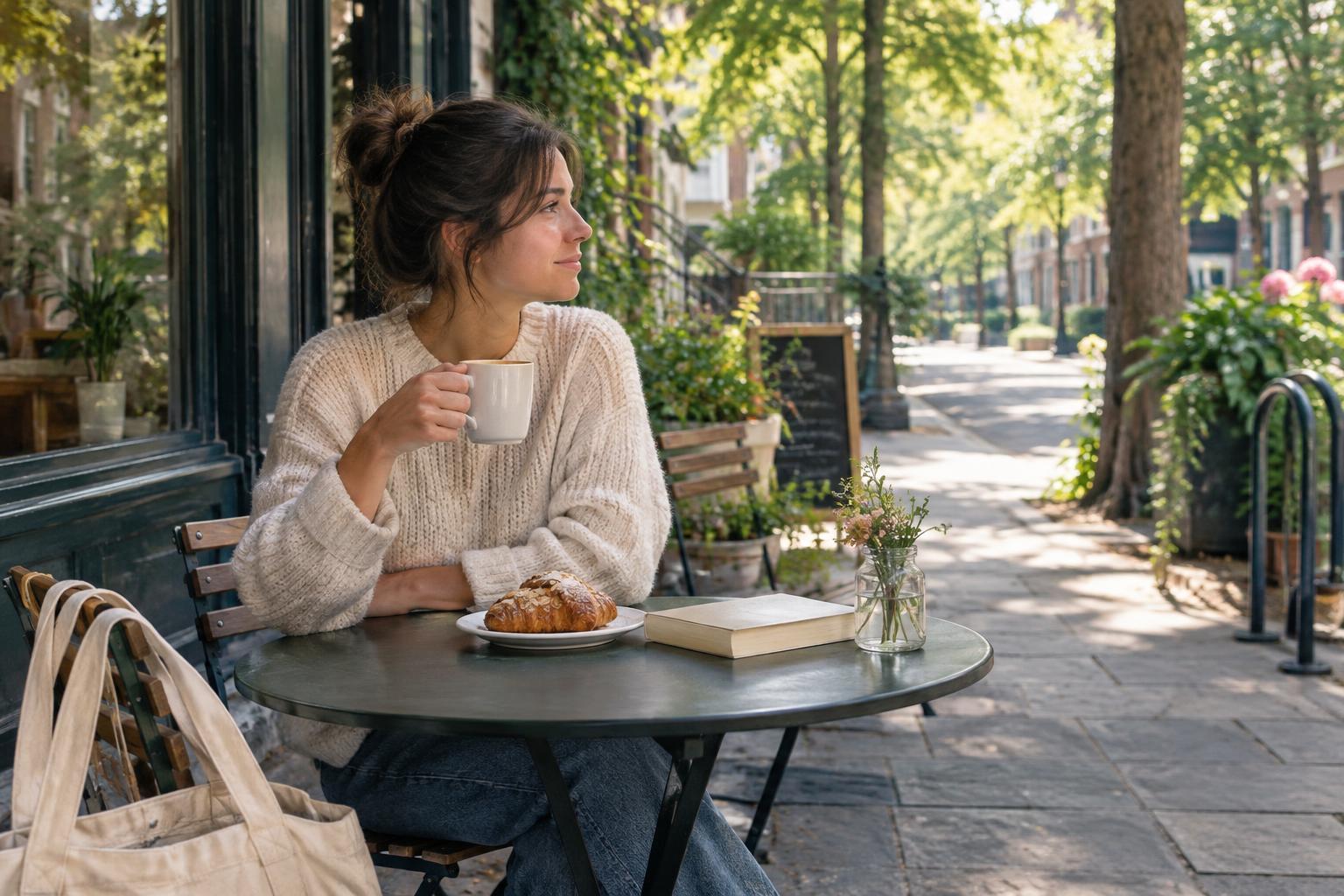
Some outings give you something to notice or do, so there is no pressure to fill every minute. A museum, garden, bookshop, market, or walking route lets you move at your own pace. You can linger over one display, skip a crowded aisle, or head home early. A café can be a destination too, especially if you bring a book or simply enjoy looking out the window.
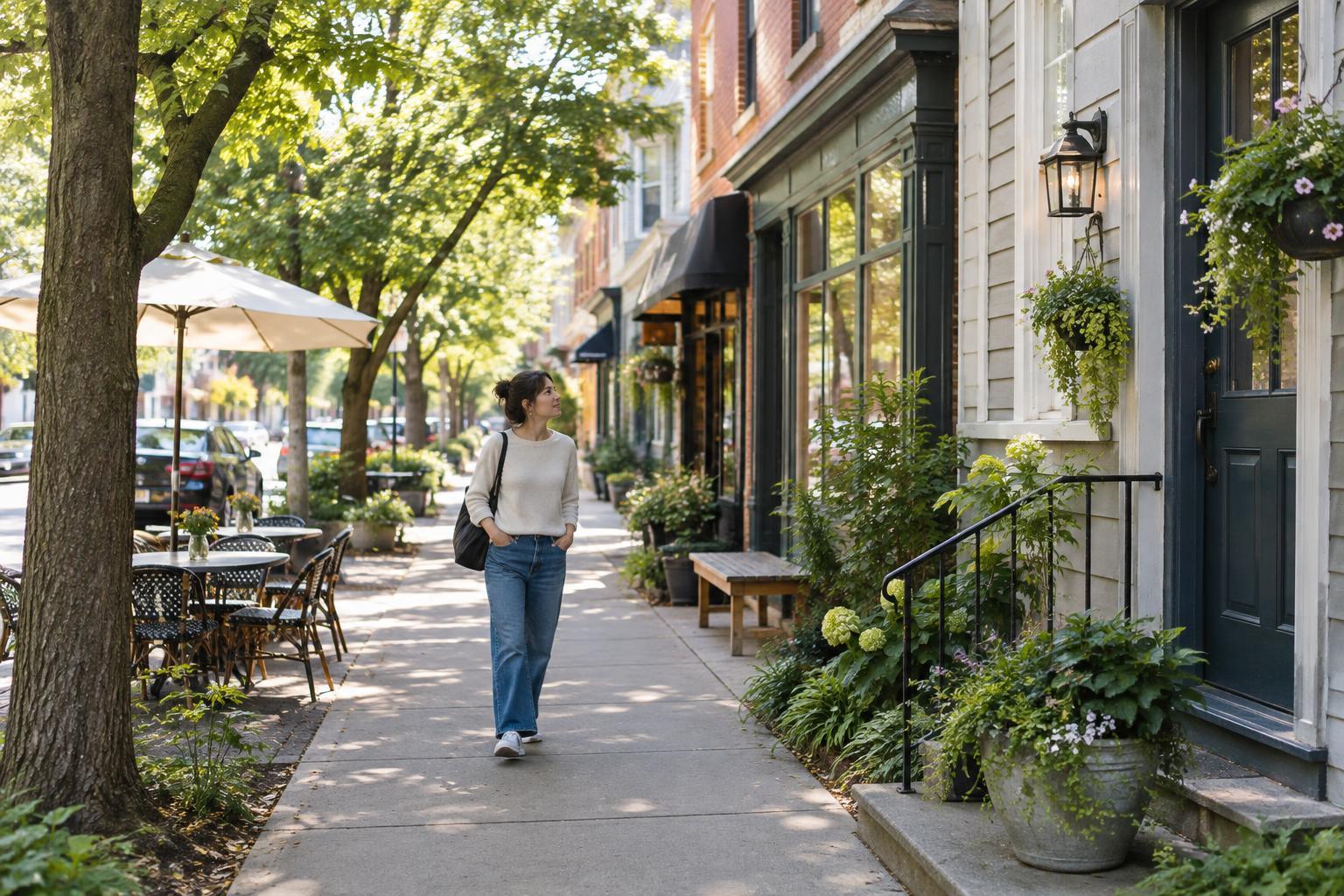
For an easy first outing, choose a place you already know but visit it differently. Take another street to a familiar bakery, stop at a shop you usually pass, or sit in a different part of the park. If you want something more structured, look for a class or public event that welcomes individual attendees, and check its details before leaving. The aim is not to prove you can do everything alone; it is to find an outing you would genuinely enjoy.
Make the logistics light
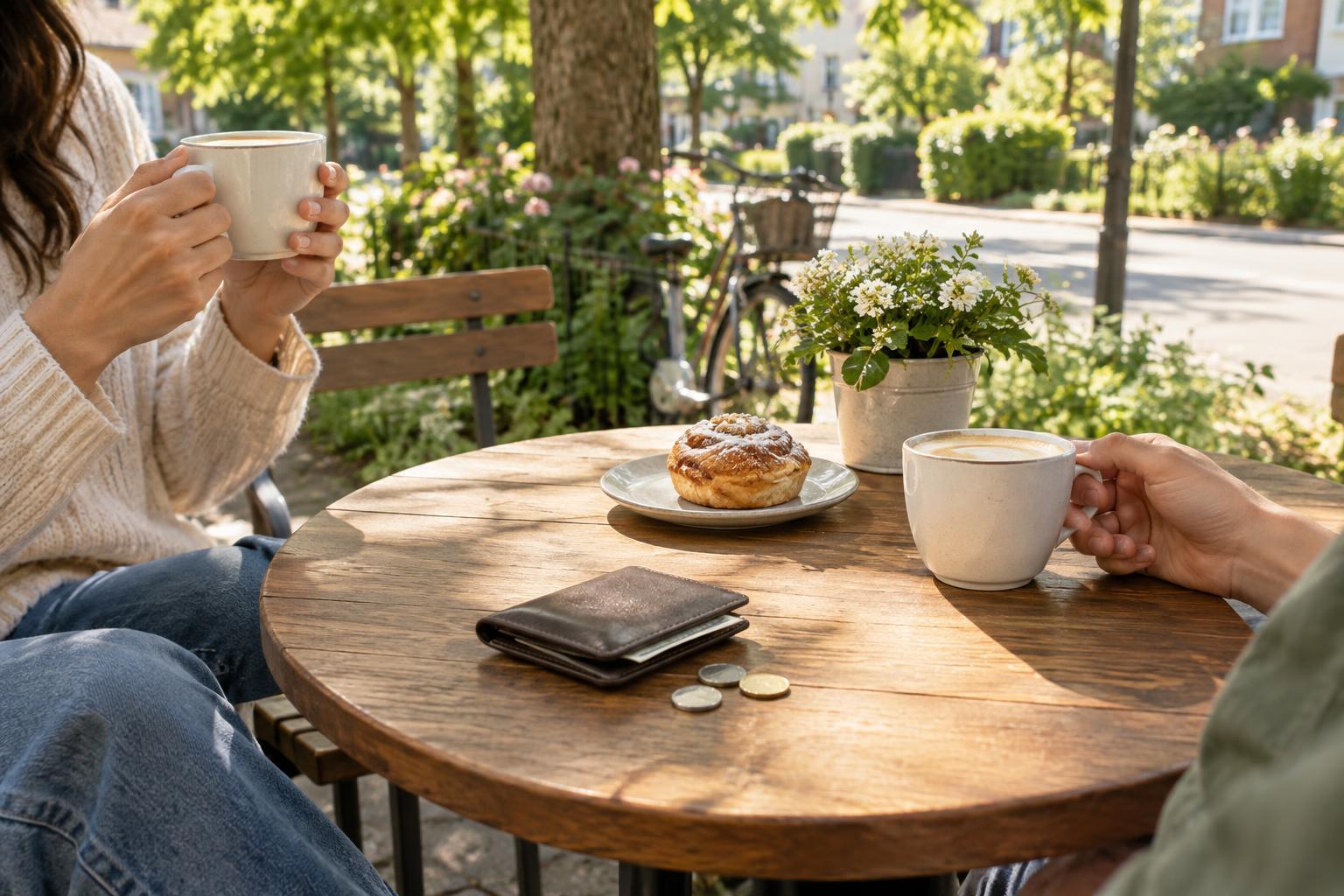
A little preparation can remove the small frustrations that interrupt a relaxed day. Check opening hours, the route, and whether you need a booking. Think about your budget before you go, especially if browsing shops or eating out is part of the plan. Wear shoes suited to the distance, and carry whatever helps you stay comfortable, such as water, a light layer, or a portable charger.
Give yourself an easy exit rather than a strict finish line. You might decide to stay for one hour and continue only if you feel like it. If a place is busier than expected, switch to a nearby walk or take your treat home. Flexible plans are particularly useful when you are on your own: there is no group itinerary to renegotiate, and changing course does not mean the day has failed.
Let meals be part of the pleasure
Eating alone can feel unfamiliar if you usually treat meals out as social occasions. Start with a setting that suits you. A counter seat, casual café, food hall, or picnic bench may feel more comfortable than a long restaurant meal. Order something you are excited to eat, not merely the quickest option, and allow yourself enough time to enjoy it.
A meal at home can feel just as deliberate. Bring back fresh bread or a favorite ingredient, clear a spot at the table, and put dinner on a plate rather than eating while you tidy. Solo cooking is a chance to follow your own appetite: make a simple dish, use up what you have, or prepare enough for tomorrow. The pleasure comes from paying attention, not from making the meal elaborate.
Leave room for rest and connection
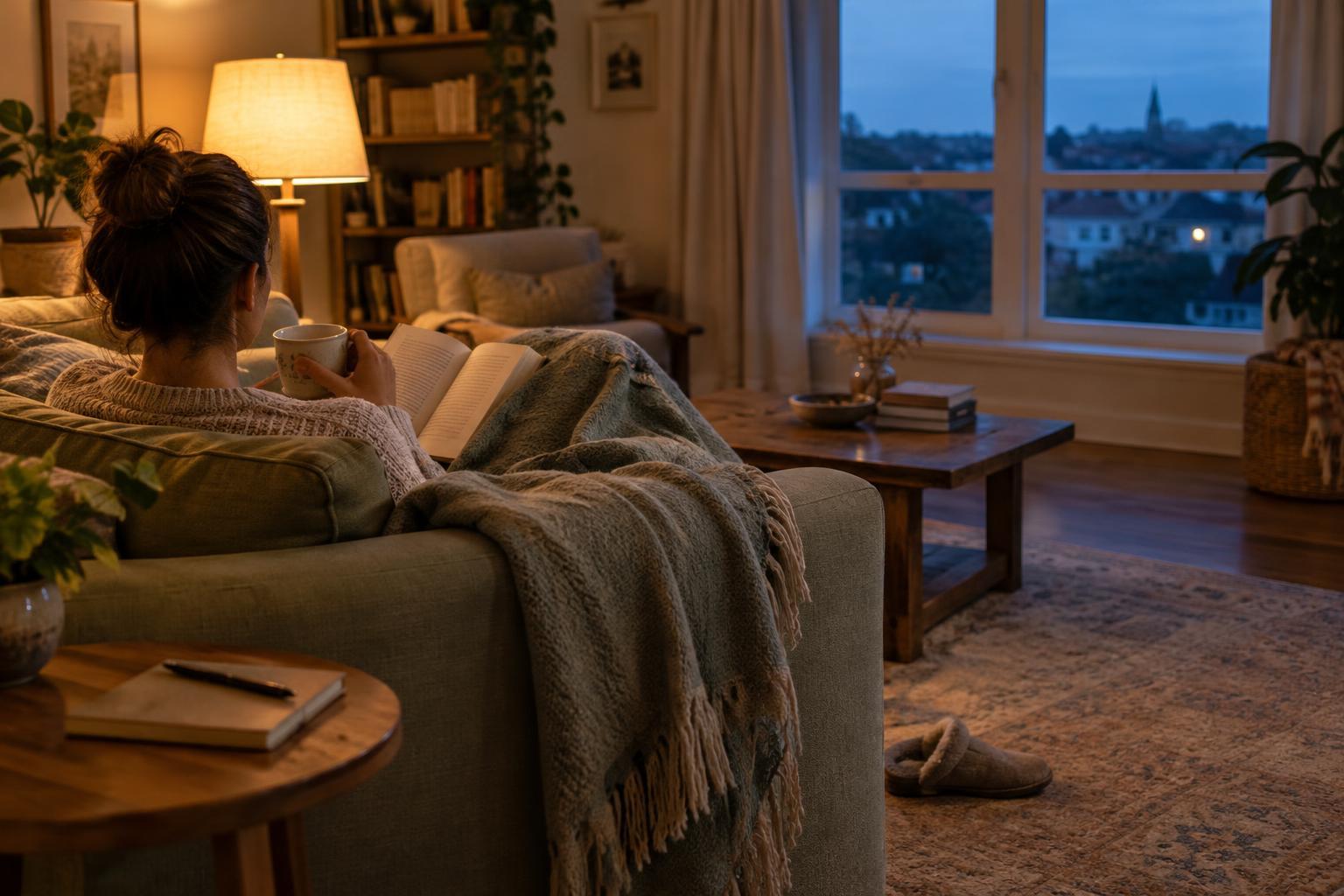
Enjoying a weekend on your own does not require being busy from morning to night. After an outing, you may want to read, cook, watch a film, or do nothing for a while. Try not to fill every pause with errands just because time is available. A relaxed weekend often needs a gap between activities so you can appreciate where you went and how you spent the day.
Time alone also does not have to mean avoiding people. You can exchange a few words with a shopkeeper, call a friend later, or save a photo to share with someone who would appreciate it. If a solo plan feels awkward at first, keep it short and repeat what worked. Over time, you can build a set of weekend options that do not depend on anyone else being free.