Start with the jobs, not the vacuum
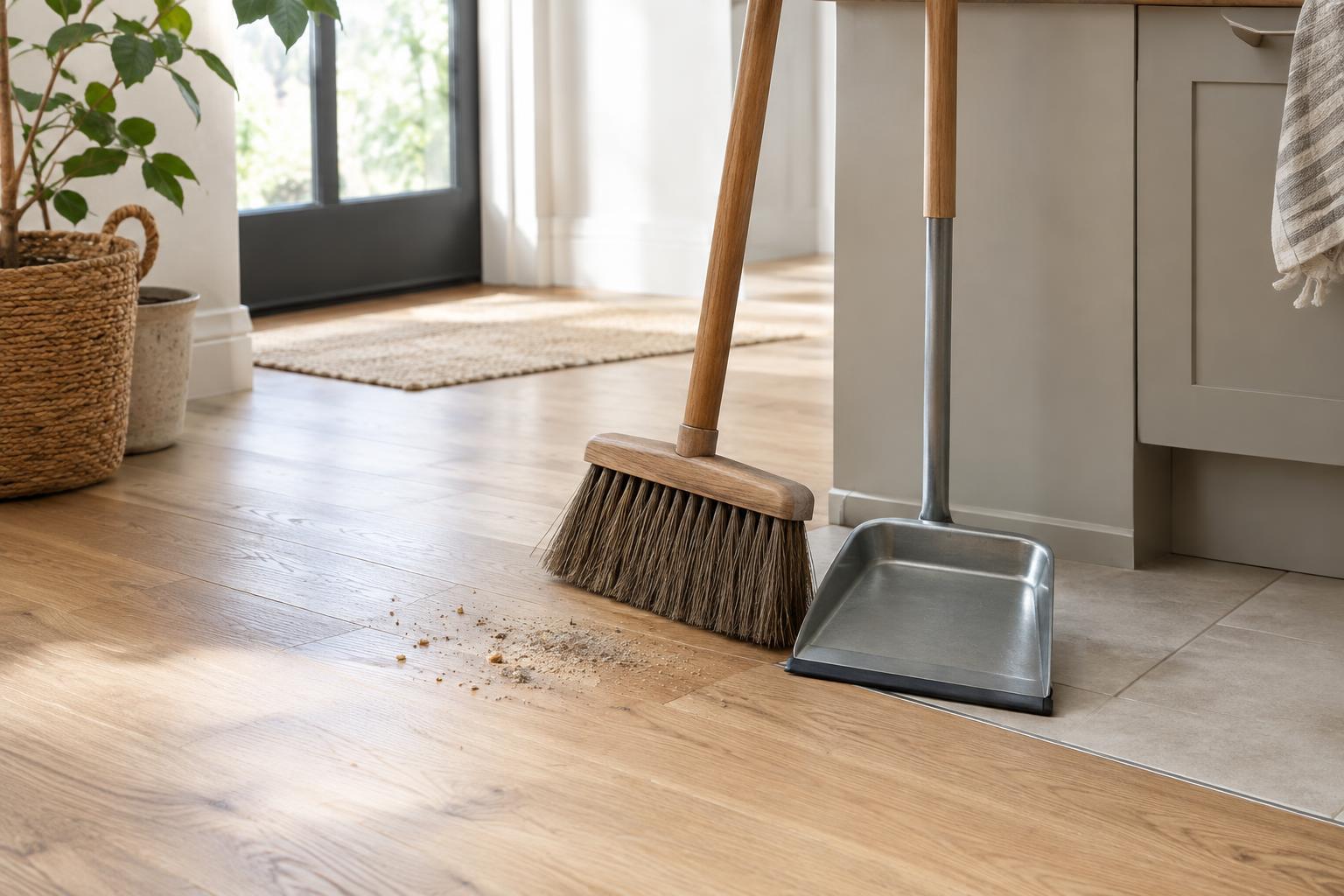
Before comparing shapes and features, walk through a normal week at home. Where do crumbs collect? Do you clean mostly hard floors, rugs, or fitted carpet? Are stairs, upholstery, or the car part of the job? Think about whether you usually clean one room at a time or prefer a single pass through the whole home. A vacuum that makes your most frequent task easy is likely to be more useful than one with an impressive list of attachments you rarely reach for.
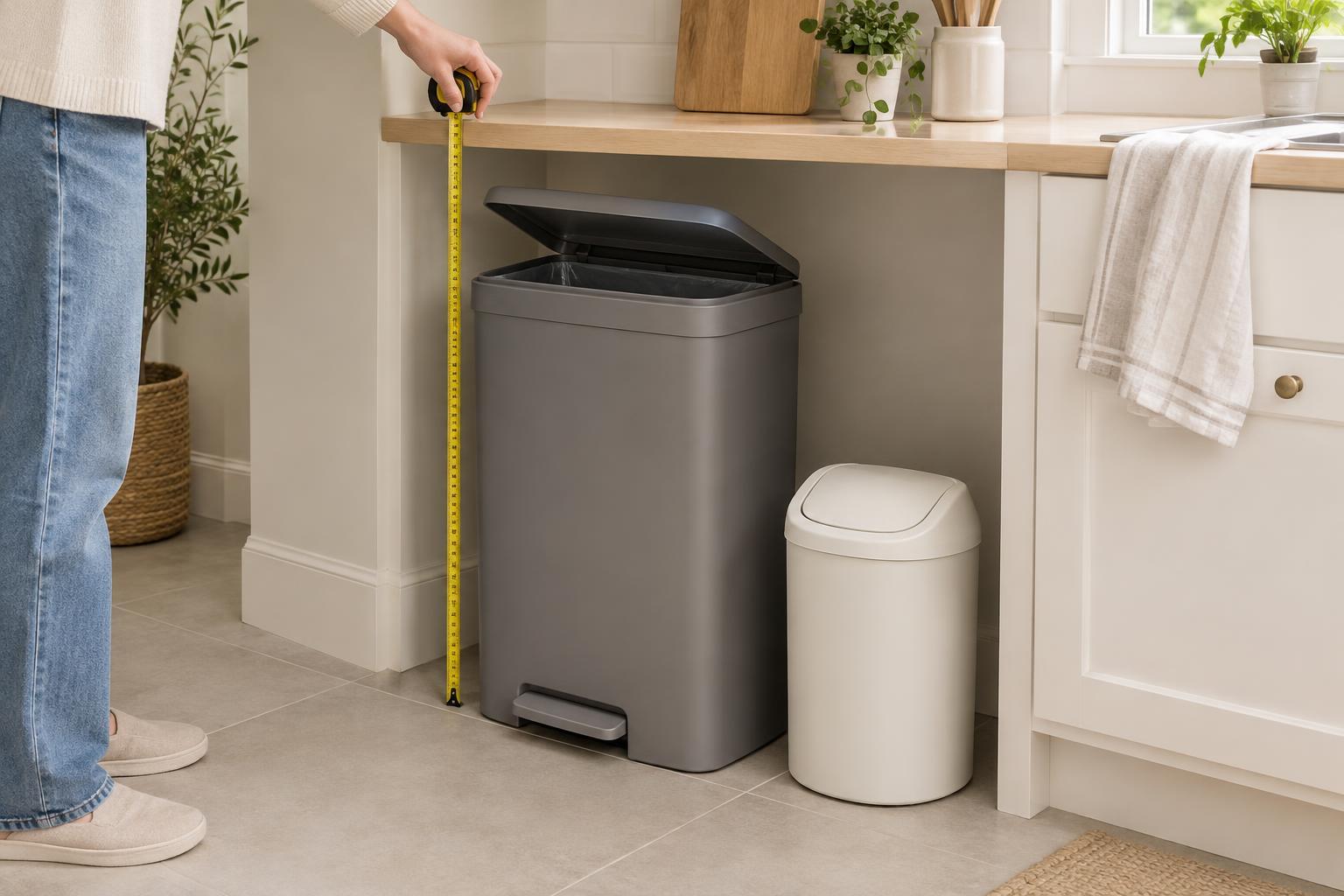
Storage matters just as much as floor area. Note where the vacuum would live, whether there is an outlet nearby for charging, and how much room you have to pull it out and put it away. Then decide whether you need one machine for nearly everything or a small companion for quick pickups.
Choose a stick vacuum for easy, frequent passes
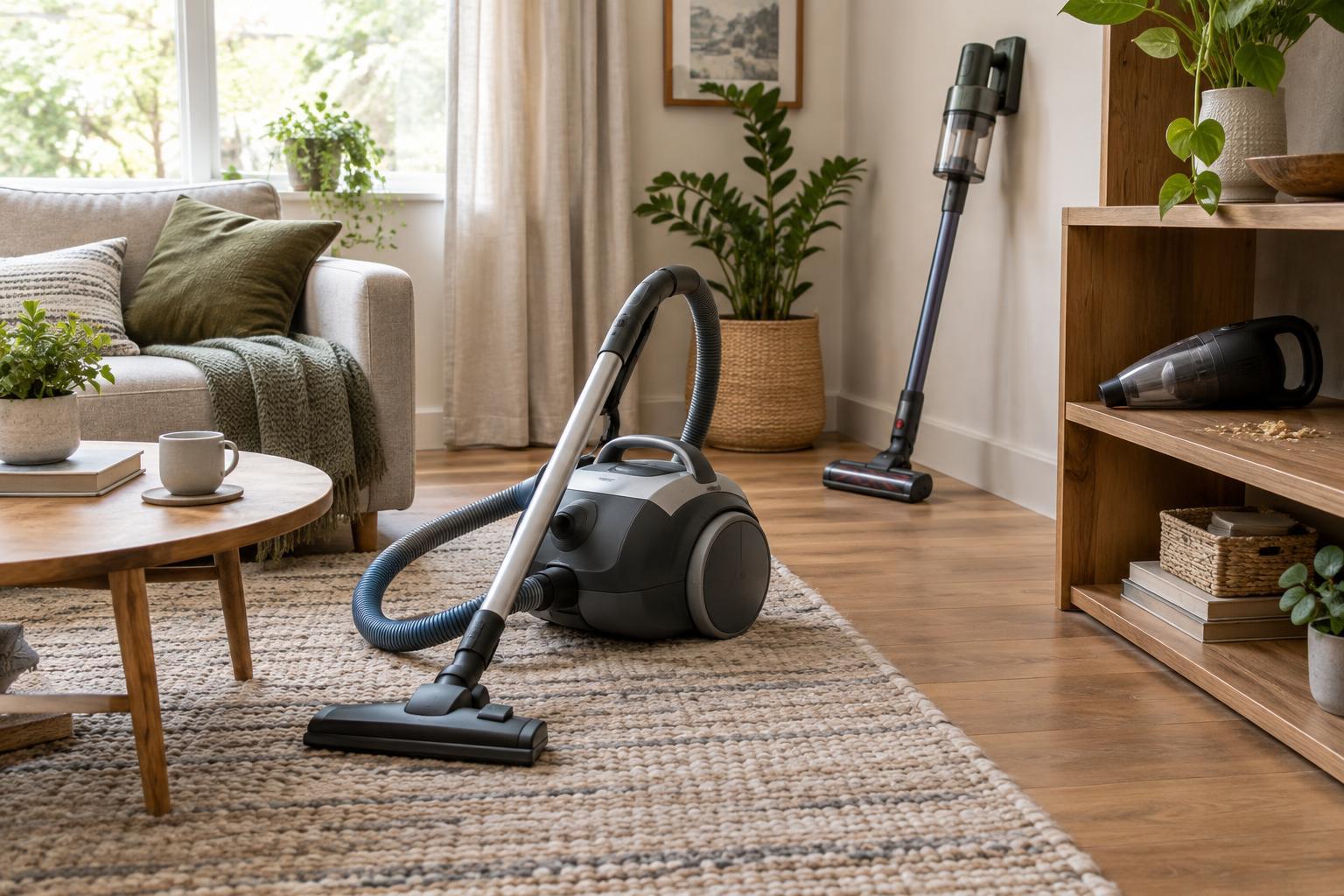
A stick vacuum suits a home where you want to move quickly between rooms and put the machine away without much fuss. Its upright shape can be convenient for open floors and regular touch-ups. Many models convert for above-floor cleaning, though the weight and balance of the handheld unit vary. A cordless stick avoids managing a cable, but its usable cleaning time depends on the selected power setting, the battery, and the floor head.
Pay attention to how the head handles your actual surfaces. A brush that helps on a rug may scatter larger crumbs on a hard floor, while a soft floor head may be less useful on carpet. If you have long hair or shedding pets, check how easily hair can be removed from the brush. Try to judge the weight in use, not only the number on the box: holding a top-heavy stick at an angle can feel different from pushing it across the floor.
Choose a canister for varied rooms and longer sessions
A canister vacuum separates the motor and collection unit from the wand and floor head. That arrangement can make the wand easier to guide under furniture and across different surfaces, particularly when you have a suitable head for each. It can also be a comfortable choice if you like to clean several rooms in one session without stopping to recharge. The trade-off is that you must pull the canister behind you and manage a cord and hose.
Consider the route through your home. Tight corners, thresholds, and stairs can make a canister awkward to move, while generous floor space may make it straightforward. Check the reach of the cord and hose together, the size of the unit in its stored position, and the effort needed to carry it. If you are considering a bagged model, include replacement bags in your ongoing costs. For a bagless one, look at how neatly you can empty and clean the container.
Choose a handheld for targeted messes
A handheld vacuum earns its place when small spills and hard-to-reach spots are the main concern. It can be useful for crumbs around dining chairs, dust on a shelf, or debris in a car footwell. Because it is small, you may be more inclined to deal with a mess as soon as you see it. A narrow nozzle, brush, or upholstery tool can make it more versatile, provided those pieces have an easy place to live.
Most handhelds are a supplement rather than a satisfying way to clean an entire floor. Their compact bins need more frequent emptying, and their shape can make broad surfaces slow to cover. Before buying one, picture its charging or storage spot and the exact jobs you would use it for. If a stick model already converts into a comfortable handheld, a separate device may add clutter without solving a new problem.
Make the final choice easier to live with
Once you have picked the likely type, compare a short list of practical details. Check how the bin or bag comes out, whether filters are accessible, and how the brush head opens for removing wrapped hair. Look at the included floor heads and tools rather than assuming every version of a model comes with the same set. If noise, dust while emptying, or bending to change settings bothers you, give those details weight; small annoyances can determine whether a vacuum gets used.
A simple decision rule is to match the machine to the largest recurring job. A stick often fits quick, mixed-floor cleaning; a canister can suit deliberate whole-home sessions; and a handheld handles small, specific messes. These are starting points, not guarantees. The right choice is the one you can store, maintain, and use comfortably on the surfaces you actually have.