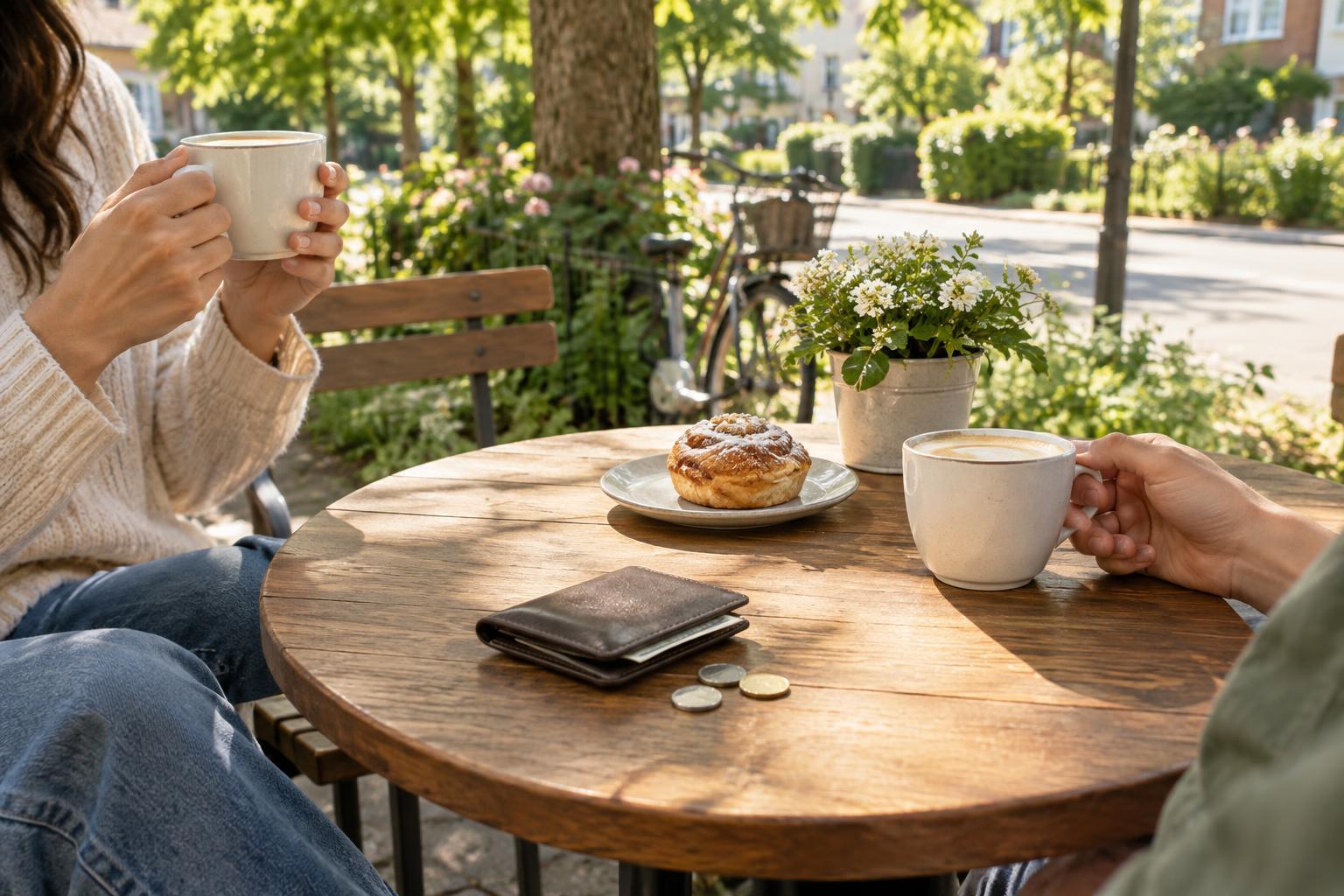
Treating free time as space to fill
An open weekend can feel like an invitation to fit in everything you missed during the week: friends, errands, exercise, a home project, and a long-awaited outing. The mistake is planning each activity as though it were the only one on the calendar. Travel, getting ready, meals, and transitions all take time. Even pleasant plans can become tiring when they run back to back.
Before saying yes, look at the whole weekend rather than at each invitation separately. Pick one or two things you genuinely want to do and leave room around them. An unassigned afternoon is not a failed plan; it gives you space to linger somewhere you like, change your mind, or simply sit down at home. If your calendar already looks crowded, a short visit may be more enjoyable than another full-day commitment.
Saving every household task for Sunday
Putting chores off can make Saturday feel carefree, but it may turn Sunday into a deadline. Laundry, groceries, tidying, and preparation for the week compete for the same few hours. A long list is especially discouraging when it includes vague jobs such as “sort out the house,” which have no clear stopping point.
Give essential tasks smaller, defined slots. You might start one load of laundry before going out on Saturday and set aside time for groceries on Sunday morning. Name the result you need, such as clean clothes for the next few days, instead of trying to finish every household project. A brief reset of the kitchen or entryway can make Monday easier without demanding that the entire home look perfect.
Confusing a change of scene with rest
A packed day out can be wonderful, but it is not automatically restorative. Multiple stops, reservations, queues, and decisions can leave little time to relax. Likewise, staying home does not guarantee a break if you spend the day answering messages or moving from one unfinished job to another. The useful question is not whether a plan looks relaxing, but whether it gives you the kind of pause you need.
Think about what has felt demanding lately. If the week involved constant conversation, a quiet walk or an unhurried meal at home may appeal more than a busy gathering. If you have been indoors for days, a simple outing might feel refreshing. Build in one low-effort option that requires little coordination. You can still make an ambitious plan, but it helps to have permission to scale it back.
Letting weekend routines drift too far
Weekends often allow later nights and slower mornings, and there is no need to run them like workdays. Trouble can arise when every meal, bedtime, and wake-up time becomes accidental. A late Sunday start may push chores and dinner into the evening, leaving the hours before Monday feeling rushed.
Choose a few gentle anchors rather than a strict schedule. A familiar breakfast, a regular time to leave for an outing, or a rough window for Sunday dinner can give the day shape. If you want a late night, consider where a quieter period could fit the next day. The aim is not to optimize every hour; it is to keep one choice from creating a chain of inconvenient ones.
Leaving Monday's decisions until Sunday night
Sunday evening can become a scramble when you are still deciding what to wear, what to eat, what needs washing, and which appointments require attention. Trying to solve the entire coming week at once can feel just as tiring. A small amount of preparation works better when it reduces immediate friction without taking over the end of the weekend.
Try a short, contained check-in earlier on Sunday. Look at your first commitments, make sure anything you need to take with you is easy to find, and choose a straightforward meal if Monday is likely to be busy. Then stop. A relaxed weekend does not require a flawless plan. It needs enough room for enjoyment and enough forethought that rest is not swallowed by a last-minute rush.